Digital Marketing Playbook: The #1 Ultimate Guide for Brands That Want to Win
Let’s get one thing out of the way: digital marketing isn’t as easy as some people make it sound. Everyone has advice, gurus, platforms, your competitor who swears by TikTok. “Just follow these 10 steps, and you’ll double your leads!” they say. Sound familiar?
The truth is, not every strategy works for every brand. And chasing every shiny new trend only leaves you frustrated, overwhelmed, and further from your goals. I’ve been there. When I started working with brands like Florida Flyers Flight Academy, I thought success was about being everywhere at once on every platform, following every trend. Spoiler alert: it’s not.
That’s why this Digital Marketing Playbook is built for brands that want to win. It’s about focus. It’s about building a strategy that works for you, leveraging what you’re good at, using tools like SEO services, content marketing services, and web design services to create a foundation that actually grows your business. No fluff. Just results.
So, let’s skip the noise and get real about what it takes to win at digital marketing. Ready? Let’s do this.
What Is Digital Marketing?
When I first heard the term “digital marketing,” I thought it was just a fancy way of saying, “Get a website, post on Instagram, and call it a day.” But digital marketing is so much more than that. It’s about finding the people who need what you offer and showing up for them in the spaces they trust, whether that’s Google, YouTube, or their inbox.
Unlike traditional marketing, digital marketing lets you be precise. With strategies like SEO services, you’re not just casting a wide net; you’re making sure your brand appears when someone types “best flight schools in Florida” at 2 a.m. Or maybe you’re crafting stories with content marketing services that make people stop scrolling and think, “This brand gets me.” It’s about connection, relevance, and timing.
What sets digital marketing apart is its ability to measure impact. No guessing games. With tools like Google Analytics, you can track every click, visit, and action. It’s not about being everywhere, it’s about being in the right places, doing the right things, and building relationships that matter.
Why Every Brand Needs a Digital Marketing Playbook
Here’s a thought: 93% of all online experiences start with a search engine. If your brand isn’t showing up in those results, your potential customers are finding your competitors instead. That’s a problem, and one a digital marketing playbook is designed to solve.
A digital marketing playbook isn’t just a checklist; it’s a roadmap. It guides you through the overwhelming noise of the digital space, helping you focus on what matters most. With a playbook, you know exactly when to prioritize SEO services, lean into content marketing, or revamp your web design to create a seamless user experience.
Without it, you’re guessing. And guessing isn’t a strategy, it’s a gamble. You wouldn’t board a plane without a flight plan, so why treat your marketing any differently?
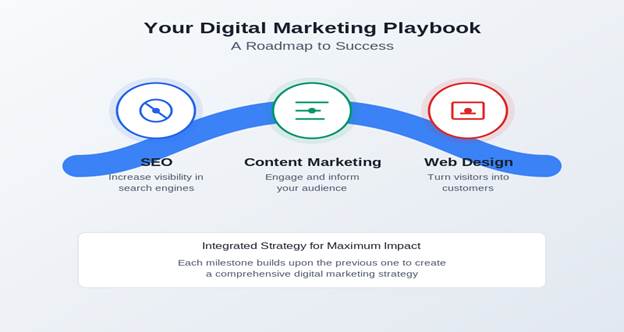
Key Components of Digital Marketing
The digital marketing landscape can feel overwhelming, but the truth is, it all boils down to a few key strategies that work together like clockwork. Let’s talk about the pillars that hold it all up:
1. SEO Services
Search engines are the starting point for most online journeys. The question is, will your brand be there when it matters? SEO is about more than just ranking high—it’s about being relevant, trustworthy, and easy to find.
It’s not a quick fix, though. Think of it as a marathon, not a sprint. Regular updates and quality content are what keep you in the race and ahead of the competition.
2. Content Marketing Services
Good content doesn’t just sell, it connects. Whether it’s a blog post that answers a burning question or a video that sparks inspiration, content marketing is about creating moments that matter to your audience.
And let’s be honest: it’s not about churning out content for the sake of it. It’s about crafting stories and solutions that stick in people’s minds long after they’ve clicked away.
3. Social Media Marketing
Social media is where conversations happen, but it’s not about being loud, it’s about being heard. A smart social media strategy helps you cut through the noise and build genuine relationships with your audience.
Consistency is key here. The goal isn’t just to post, it’s to engage. When your audience feels seen and valued, that’s when the magic happens.
4. Web Design Services:
Your website isn’t just a digital address, it’s your brand’s home base. It’s where first impressions are made, and actions are taken. A clutter-free, user-friendly design isn’t a luxury; it’s a necessity.
From quick load times to seamless navigation, good web design does more than look good, it works hard to turn visitors into loyal customers.
Digital marketing isn’t about doing it all; it’s about doing the right things and doing them well. These four pillars are the foundation for strategies that actually deliver.
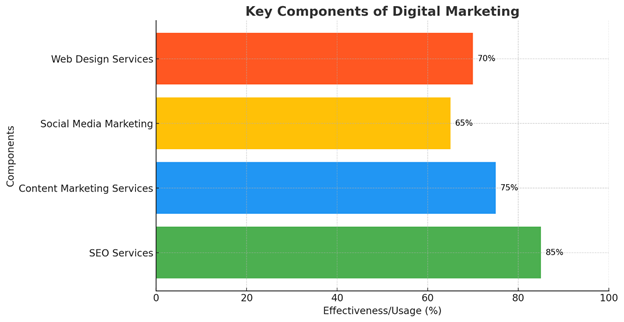
Building Your Digital Marketing Strategy
In my journey through digital marketing, I’ve learned that every brand needs a clear sense of direction. Think of a digital marketing strategy as your GPS, it clears the haze, charts the best route, and keeps you on track to reach your goals. Without it, you’re driving blind, tossing out content and ads with no real aim. With it, every move becomes purposeful, and your campaigns work together seamlessly. Let’s break down how to create a strategy that truly drives results.
Step 1: Define Your Goals
Every great strategy starts with a destination in mind. In digital marketing, that means setting SMART goals, specific, measurable, achievable, relevant, and time-bound. Instead of vague aspirations like, “We need more traffic,” aim for precision: “Increase website traffic by 20% in the next three months.” Goals like these give you clarity and a yardstick to measure success.
Whether your focus is driving leads, boosting conversions, or building brand awareness, your goals are the compass guiding every move in your digital marketing playbook. With clear objectives, every decision becomes intentional and impactful.
Step 2: Understand Your Audience
Marketing without knowing your audience is like shooting arrows blindfolded, you’re bound to miss the target. Who are your ideal customers? What keeps them up at night? Where do they hang out online? Tools like Google Analytics and surveys can shed light on their preferences, habits, and values.
In Top 10 Marketing Mistakes You’re Making (And How to Fix Them), I shared how skipping buyer personas is one of the biggest mistakes brands make. Let’s be real: age and income don’t tell the whole story. You need to dig deeper into what motivates your audience, what frustrates them, and what they value most. When you truly understand them, marketing stops feeling like a sales pitch and starts feeling like a conversation.
Step 3: Choose Your Channels
With your goals set and your audience mapped out, the next question is: where do you show up? Think of it like this, if your audience is hosting a party on Instagram, you don’t want to be stuck knocking on LinkedIn’s door. Each platform has its strengths:
- Instagram is the life of the visual party, perfect for creative brands targeting younger audiences.
- LinkedIn is the boardroom, ideal for B2B brands looking to connect with professionals and decision-makers.
- Email Marketing is like a personal invitation to your audience’s inbox, fostering lasting relationships and trust.
The key? Focus on the platforms that make the most sense for your audience and goals. Trying to be everywhere at once is like juggling with too many balls, you’re bound to drop a few. Pick your channels wisely, and make every post, email, or ad count.
The Digital Marketing Playbook in Action: Key Strategies for Success
Building a digital marketing playbook is like crafting a masterpiece; it’s about combining the right strategies to create something powerful and impactful. Much like deciding which platforms align with your strengths and goals, successful digital marketing requires intentional, focused efforts.
Here’s where theory transforms into action, where SEO brings your audience to your digital doorstep, content engages them, and campaigns convert them into loyal customers. Let’s explore these strategies that will ensure your brand thrives online.
SEO That Drives Results
Think of SEO as the backbone of your digital marketing strategy, it’s not just about visibility; it’s about creating an effortless journey for your audience. Here’s how to make it happen:
- On-Page SEO: Fine-tune your website with engaging meta descriptions, well-structured headers, and seamlessly integrated keywords that feel natural, not forced.
- Off-Page SEO: Build authority with quality backlinks from trusted websites, because nothing says “reliable” like a strong network of connections.
- Local SEO: Capture nearby audiences by optimizing for location-based searches and keeping your Google My Business profile updated.
SEO isn’t a guessing game; it’s a science. Ready to dive in? Explore expert SEO services here.
Content Marketing That Converts
Great content isn’t just about informing, it’s about connecting. Imagine blog posts that answer your audience’s most pressing questions, videos that hold their attention, or infographics that simplify complex topics in seconds.
Don’t stop at creation, think transformation. A well-written blog can evolve into a podcast episode, a video, or even an engaging Instagram carousel. The key is to meet your audience where they are and deliver value in formats they love.
Need a partner to make this happen? BrightLine’s content marketing services are here to help you craft content that truly resonates and drives results.
Mastering Social Media Marketing
Real social media success isn’t about chasing likes, it’s about creating genuine, lasting connections. Short-form videos, like Reels or TikToks, can entertain while building your brand’s personality. Live Q&A sessions foster transparency and engagement, while user-generated content amplifies trust by showcasing your audience’s love for your brand.
The key? Be where your audience is. Platforms like Instagram and LinkedIn offer unique opportunities to connect, depending on your niche. Want to master this space? BrightLine’s social media marketing services can help you build a strategy that works.
Email Marketing That Works
Email marketing remains one of the most effective ways to nurture leads and build relationships. But it’s not about blasting the same message to everyone, personalization is the secret sauce. Use tools like Mailchimp to segment your audience and send tailored content that resonates.
From curated newsletters to exclusive offers, every email should feel like it was written just for them. Ready to optimize your email strategy? Explore how BrightLine’s email marketing services can help you get there.
PPC Campaigns for Maximum ROI
Need results yesterday? PPC campaigns let you connect with your ideal audience instantly. Platforms like Google Ads allow you to target specific keywords and demographics, ensuring your ads land in front of the right eyes.
Retargeting is a game-changer, too. It’s like sending a friendly reminder to visitors who didn’t convert the first time. Learn how BrightLine’s PPC services can help you maximize your ad spend and drive real results.
Digital Marketing Playbook Tools and Technologies
Navigating the digital marketing landscape without the right tools is like trying to build a house without a hammer. Sure, you can try, but it’s going to be inefficient and frustrating. With the right tools, you’re not just working harder, you’re working smarter.
Here’s a rundown of essential tools that can transform how you plan, execute, and analyze your digital marketing efforts:
SEO Tools
Let’s be real; if your audience can’t find you, they can’t connect with you. SEO tools help you stay visible:
- SEMrush: Your go-to for keyword research, competitor analysis, and site audits.
- Ahrefs: Perfect for backlink tracking and discovering content gaps.
- Google Search Console: A must-have for diagnosing site performance and optimizing for search engines.
Social Media Management
Managing social platforms manually is a time sink. These tools can help you schedule, analyze, and engage seamlessly:
- Hootsuite: Schedule posts, monitor performance, and manage multiple accounts in one place.
- Buffer: Great for planning content calendars and analyzing engagement trends.
- Canva: Create stunning visuals that stand out in crowded social feeds.
Web Analytics
If you’re not measuring, you’re guessing. These tools let you make data-backed decisions:
- Google Analytics: The industry standard for tracking site traffic, user behavior, and conversion paths.
- Hotjar: Gain insights into how users interact with your site through heatmaps and session recordings.
- Microsoft Clarity: A free tool for visualizing user behavior and spotting potential issues.
Email Marketing
Email remains one of the most effective ways to nurture leads. These tools make it personal and impactful:
- Mailchimp: Ideal for automating campaigns and tracking performance metrics.
- HubSpot: Combines email with CRM for a seamless customer experience.
- Constant Contact: Great for designing and delivering eye-catching newsletters.
Content Creation
Content is the backbone of digital marketing. Here are some tools to make it shine:
- Grammarly: Perfect for ensuring your content is polished and error-free.
- Trello: Keep your content calendar organized and collaborate with ease.
- Piktochart: Turn data into beautiful infographics and reports.
PPC and Ad Management
Want immediate results? PPC tools help you reach the right audience quickly:
- Google Ads: Optimize campaigns for specific keywords and demographics.
- Facebook Ads Manager: Tap into Facebook and Instagram’s massive audience with targeted ads.
- AdEspresso: Streamline A/B testing and improve ad performance.
CRM Tools
Building strong customer relationships is easier with these tools:
- HubSpot CRM: Manage leads and track interactions effortlessly.
- Salesforce: Enterprise-grade CRM with advanced automation and analytics.
With these tools in your arsenal, you’re not just reacting to the digital landscape, you’re owning it. Whether you’re focusing on SEO, social media, or PPC, the right technology ensures you’re efficient, informed, and always a step ahead.
Measuring Success: Bringing the Digital Marketing Playbook Full Circle
Success in digital marketing isn’t about throwing ideas at the wall to see what sticks, it’s about tracking what works and learning from what doesn’t. Think of your playbook as a living guide, constantly refined by the insights you gather along the way. Measuring your progress ensures that every strategy has purpose and every effort brings you closer to your goals.
Key Metrics to Track
Not all metrics are created equal. While likes and page views are nice to see, they don’t tell the full story. Here’s where you should focus:
- Engagement Rates: How often are users commenting, sharing, or interacting with your content? Genuine engagement reflects a deeper connection.
- Watch Time: Especially crucial for video content, are people sticking around to hear what you have to say?
- Conversions: Whether it’s a purchase, sign-up, or download, this is the ultimate measure of how well your digital marketing playbook is working.
By honing in on these meaningful metrics, you can make informed adjustments that turn efforts into impact.
Using Analytics to Sharpen Your Strategy
Data is the feedback loop your playbook needs to thrive. Tools like Google Analytics or HubSpot show you what’s working and where to improve. Here’s how:
- Identify the sources driving the most traffic, is it social media, search engines, or email campaigns?
- Look at bounce rates, what’s causing visitors to leave, and how can you tweak your content to keep them engaged?
- Spot high-performing campaigns, double down on strategies that deliver results.
Your playbook isn’t static. It’s a dynamic system designed to grow with you, evolving through every insight you gain. Success isn’t about perfection; it’s about constant progress. And with the right tools and metrics, your journey becomes as impactful as your destination.

Common Mistakes to Avoid
Every digital marketing playbook, no matter how meticulously crafted, can falter without avoiding common pitfalls. Think of it like a well-designed route on your GPS, if you ignore the alerts, you’re bound to hit traffic or make wrong turns. Whether it’s neglecting mobile optimization or flooding your audience with content that lacks value, these missteps can throw your entire strategy off course. Avoiding them ensures your playbook leads you exactly where you want to go.
1. Ignoring Mobile Optimization
Picture this: A potential customer visits your site on their phone, but it’s slow, clunky, and impossible to navigate. What happens? They leave. With over 50% of web traffic coming from mobile devices, having a mobile-friendly website isn’t optional, it’s essential. Test your site on multiple devices and prioritize speed, readability, and ease of use.
2. Focusing on Quantity Over Quality
Flooding your channels with content might feel productive, but if it doesn’t add value, it’s noise. Posting consistently is important, but meaningful content—whether it’s a blog post, a tweet, or a video—is what keeps your audience engaged. Always ask, “Does this help, entertain, or inspire my audience?”
3. Overlooking Website Design
Your website is often the first impression of your brand, so don’t let it fall flat. Poor navigation, outdated visuals, or slow load times can turn visitors away. A clean, user-friendly design can make all the difference. If you’re ready to level up, check out BrightLine’s web design services for a site that works as hard as you do.
By steering clear of these missteps, you’ll keep your digital marketing strategy strong and your audience engaged.
Future Trends in Digital Marketing
The world of digital marketing is like a shifting tide, always moving, always evolving. To stay ahead, you need to anticipate where the waves are heading. Emerging technologies and changing consumer behaviors are reshaping the landscape, and the brands that adapt early will be the ones leading the charge. Here’s a look at what’s next and how you can integrate these trends into your digital marketing playbook.
AI-Powered Tools: AI is a game-changer. From chatbots that handle customer queries effortlessly to tools like Jasper or ChatGPT that revolutionize content creation, AI is transforming how we connect with audiences. These tools save time and enhance personalization, allowing you to deliver the right message at the right moment.
Voice Search Optimization: “Alexa, what’s the best marketing strategy?” Voice search is here, and it’s not slowing down. Devices like Amazon Alexa and Google Home are changing how people search for information. To stay relevant, optimize your content with conversational keywords and structure your answers to match voice queries. It’s about meeting your audience where they are, even if they’re talking to a smart speaker.
Interactive Content: Quizzes, polls, augmented reality (AR), interactive content isn’t just fun; it’s effective. These tools engage users, keep them on your site longer, and encourage sharing. Imagine a virtual try-on tool for your product or a quiz that helps users find their ideal service. It’s about creating experiences that people want to participate in, not just consume.
By weaving these trends into your strategy, you’re not just keeping up, you’re staying ahead. And in the fast-paced world of digital marketing, that makes all the difference.
Conclusion
The Digital Marketing Playbook is more than a guide, it’s your blueprint for navigating the evolving online landscape. By focusing on strategies like content marketing, refining your SEO efforts, and enhancing user experience through web design services, you can set the stage for sustained growth and engagement.
As trends and platforms shift, a clear and focused strategy ensures your brand remains adaptable and resilient. Instead of chasing every new tool or fad, invest in what truly works for you. With intention and adaptability, your digital presence will not only thrive but lead in an ever-changing market.ve to hear how you’re embracing this next chapter.