
Social Media Strategy: The Hidden Rules Small Businesses Must Master in 2025
You’re doing it all, right?
Running a small business is no small feat. You’re juggling sales, operations, and everything in between, while trying to crack the code of social media. You’ve heard the success stories—small businesses going viral overnight, raking in sales from a single post. But truth be told: your results haven’t exactly been… inspiring.
And it’s not your fault.
The truth is, most advice about building a social media strategy is outdated. Post daily, follow trends, chase likes—it’s a treadmill that leaves you burnt out and your audience indifferent.
But here’s the thing: in 2025, social media strategy isn’t about doing more—it’s about doing it smarter.
Having worked with top brands like Neumann, Florida Flyers, Trigvent Solutions and helped small businesses achieve measurable growth, I’ve seen what works and, more importantly, what doesn’t. Today, I’m sharing fresh insights from years of hands-on experience.
Forget generic advice. This is about mastering the hidden rules that actually move the needle. These are the tactics that most businesses overlook but can make all the difference in your success this year.
Let’s get started. Your smarter, results-driven social media strategy starts here.
Why 2025 Demands a Rethink of Your Social Media Strategy
In 2025, the rules of social media engagement have changed—and small businesses that cling to outdated strategies will be left behind. The way consumers interact with brands is shifting, and the days of broadcasting generic messages to a passive audience are long gone.
Today’s audiences demand authenticity, connection, and value. They’re drawn to brands that prioritize relationships over reach, respond quickly, and create meaningful experiences. According to a recent report by HubSpot, 79% of consumers say they’re more likely to engage with brands that feel “human.”
These shifts don’t mean you need to overhaul everything. Instead, you need to refocus your efforts on what truly resonates with your audience.
For example:
- Micro-engagements (responding to comments, answering DMs, and building personal connections) are replacing the race for viral content.
- Community-driven brands—those fostering loyal groups of followers, whether through private Facebook groups or niche forums—are winning hearts and wallets.
- Authenticity is non-negotiable. Audiences can spot insincerity a mile away. A study by Edelman Trust Barometer found that 88% of people rank trust as a key factor in their decision to interact with a brand.
To adapt to these changes, small businesses need to approach their social media strategy with precision. It’s no longer about being everywhere; it’s about being where your audience is and showing up in ways that matter to them.
This shift doesn’t just require a strategy—it demands a smart, experience-driven plan that connects with your audience on a deeper level. And the good news? Mastering this approach is well within reach for any small business willing to evolve.
Let’s explore the hidden rules that will help you thrive.
Hidden Rule #1: “Silent Marketing” in Your Social Media Strategy
You’ve probably been told that the key to social media success is being loud—post more, shout about your offers, and jump on every trend. But, in 2025, the most effective strategies are the quiet ones.
Silent marketing isn’t about grabbing attention with flashy campaigns. It’s about making your audience feel seen, valued, and connected without overwhelming them. It’s the small, meaningful interactions that leave a lasting impression.
Think about this:
- When a customer sends a DM with a question, do you send them a canned response? Or do you take a moment to provide a thoughtful reply? That single interaction could be the difference between a one-time sale and a loyal advocate.
- Have you considered creating a private group for your most engaged customers? Platforms like Facebook or Discord are perfect for building tight-knit communities where people feel like insiders. A small bakery could invite its top customers into a group to share recipes, give sneak peeks of new products, and create a space for connection.
This isn’t just marketing—it’s relationship-building.
Silent marketing works because it’s personal and intentional. It’s about showing up where it matters most: in the DMs, in the comments, or in a private community where your audience feels at home.
For small businesses, this approach is a perfect for you. You don’t need a massive budget or a team of experts to make it work. All you need is a genuine commitment to connecting with your audience on a deeper level.
And when you do, the results speak for themselves.

Hidden Rule #2: Leveraging Nano-Influencers in a Hyper-Targeted Social Media Strategy
Big influencers may seem like the obvious choice, but they’re not always what small businesses need. Instead, look at nano-influencers—people with 1,000 to 10,000 followers who have built trust and meaningful relationships with their audience.
These smaller influencers deliver in ways that matter:
- Real engagement. Their followers aren’t just scrolling past—they’re paying attention.
- Focused audiences. Whether it’s fitness, sustainable living, or local eats, they’ve built a loyal community around specific interests.
- Affordable options. Many nano-influencers are happy to collaborate for free products or small perks, making them perfect for businesses with limited budgets.
How can you find the right ones?
- Start with your current customers. Is someone already raving about your product online? They might be the perfect fit.
- Use hashtags relevant to your industry to discover influencers in your niche.
- Engage first—comment, like, and connect before reaching out to collaborate.
What can you offer?
- Send them a product to try.
- Give them a unique discount code to share with their audience.
- Invite them to experience your business behind the scenes.
Nano-influencers thrive on authenticity, and their followers trust them for it. For small businesses, this isn’t just a budget-friendly option—it’s a way to build real connections with the people who matter most.
Hidden Rule #3: Gamification as the Future of Social Media Strategy
People love to play. It’s why games have a way of grabbing attention and keeping it. In 2025, gamification—turning your social media into a playful, interactive experience—is becoming one of the most effective ways to engage audiences.
This isn’t about complicated apps or high-tech solutions. It’s about simple, creative ideas that make your audience feel involved and rewarded.
Why Gamification Works:
- It taps into the human desire for competition and rewards.
- It encourages active participation rather than passive scrolling.
- It builds emotional connections between your brand and your audience.
Successful Campaigns You Can Learn From:
- Starbucks’ “Starland” Campaign: Starbucks gamified its rewards program with an interactive game, encouraging users to earn points through purchases and daily log-ins, driving both engagement and sales.
- Nike Run Club Challenges: Nike motivates its community by hosting running challenges within its app and on social media. Participants who share their achievements with branded hashtags often win exclusive rewards, building brand loyalty.
- Domino’s “Piece of the Pie Rewards”: Domino’s gamified its loyalty program by offering points for purchases and interactive campaigns, such as earning free pizza through simple games on their app.
Ideas For Small Businesses:
- A local bookstore could host weekly trivia on Instagram Stories, offering a discount for participants who answer all questions correctly.
- A fitness studio might organize a 30-day branded challenge, encouraging followers to share their progress for rewards like free classes.
- Restaurants can create spin-the-wheel discount games, making visits exciting and interactive while rewarding customers for their loyalty.
By combining real-life success stories with practical ideas tailored for small businesses, you can deliver actionable insights while maintaining trustworthiness. Let me know if you’d like more real-world examples to include!
How to Gamify Your Social Media Strategy:
- Start Simple. Use Instagram Stories for polls, quizzes, or quick challenges that tie into your business.
- Reward Participation. Offer exclusive discounts, freebies, or shoutouts for those who take part.
- Make It Shareable. Encourage followers to tag friends or share their results to grow your reach organically.
Gamification isn’t just about fun—it’s about creating a reason for people to keep coming back to your page. Small businesses can use these techniques to build loyal, engaged communities without spending big.
It’s not a gimmick; it’s a way to make your audience feel connected, involved, and excited about your brand. And when they’re having fun, they’ll stick around.
Why AI Is No Longer Optional in Your Social Media Strategy
Social media can feel like a constant race, right? Trying to figure out what to post, when to post it, and who’s even paying attention—it’s exhausting.
You don’t need to do it all manually anymore. In 2025, AI has become the secret weapon for small businesses looking to work smarter, not harder. It’s no longer just about automating posts; it’s about using tools that help you predict trends, understand your audience, and save precious time.
If you’re curious about the broader role of AI in marketing, I wrote a detailed guide on it that breaks everything down. Check it out here.
So, what makes AI essential for your social media strategy?
AI does the heavy lifting for you.
- It can predict what kind of content will engage your audience the most.
- It analyzes customer comments, reviews, and mentions to tell you how people really feel about your brand.
- It even helps you figure out the best times to post so you’re not shouting into the void.
Tools worth trying:
- Lately.ai takes your long-form content and repurposes it into quick, shareable social media posts. It’s a lifesaver if you’re short on time.
- Brandwatch digs deep into your audience’s sentiment and trends so you’re always in the know.
- ManyChat automates your DMs, so no message goes unanswered.
And don’t worry—using AI doesn’t mean you’re losing your personal touch. It just means you can spend less time guessing and more time connecting with your audience.
The best part? You don’t need to be a tech expert to get started. Pick one tool, try it out, and let it handle the grunt work while you focus on growing your business.
This isn’t about replacing what you do—it’s about giving you more hours in the day to do it better.
Hyperlocal Social Media Strategy for Small Businesses
Small businesses don’t need to reach the whole world to succeed. The truth is, most thrive when they focus on the people in their neighborhood—the ones who can stop by your shop, recommend you to friends, or attend your events.
That’s where hyperlocal marketing comes in. It’s all about connecting with the community around you, rather than trying to appeal to everyone.
Why Hyperlocal Works
- People love supporting businesses that feel like part of their community.
- Localized strategies are personal, relatable, and help build stronger connections.
- You don’t need to compete with big brands—you’re focusing on the people right nearby.
How to Use Hyperlocal Social Media
- Tag Your Location: Add your location to every post. It helps locals find you easily.
- Use Local Hashtags: Try hashtags like #ShopLocal, #CityNameEats, or #NeighborhoodEvents to reach people searching for businesses in your area.
- Engage on Platforms Like Nextdoor: Use Nextdoor to share updates, promotions, or events with nearby residents who are already looking to connect with local businesses.
Examples You Can Try
- A Bakery’s Poll: A neighborhood bakery asked followers to vote for the best muffin flavor in an Instagram Story poll. Using geotags and local hashtags like #MainStreetEats, they boosted foot traffic by 25% that weekend.
- A Fitness Studio’s Reel: A local gym posted a short video of their classes, inviting nearby residents to join a free trial week. They promoted it on Nextdoor and saw a surge in sign-ups.
- A Café’s Promotion: A family-owned café offered free coffee to anyone who brought a park receipt from the nearby trails. The simple campaign brought in dozens of first-time customers.
Why This Matters
You don’t need a massive following or viral content to make an impact. By focusing on your community, you create deeper connections and turn neighbors into loyal customers.
Start small. Tag your location, use a few local hashtags, and share stories that make your business part of the local conversation. That’s how you become a place people know, trust, and love. just reacting to the digital landscape, you’re owning it. Whether you’re focusing on SEO, social media, or PPC, the right technology ensures you’re efficient, informed, and always a step ahead.
The New Role of Customer-Led Content in Your Social Media Strategy
Your social media strategy isn’t just about what your business says anymore—it’s about what your customers say. In 2025, user-generated content (UGC) has evolved from simple reposts to full-on collaborations with your audience.
Why This Shift Matters for Social Media Strategy
Involving your customers as co-creators doesn’t just create more content—it builds trust, loyalty, and deeper connections. When your audience feels like a valued part of your brand’s journey, their contributions can amplify your social media strategy in ways traditional posts never could.
How to Make Customer-Led Content Work
- Turn Customers into Brand Storytellers: Ask your followers to share their unique experiences with your business. Whether it’s a heartfelt testimonial, a photo, or a short video, these stories bring authenticity to your social media strategy.
- Run ‘Create With Us’ Campaigns: Encourage your audience to get involved creatively. For example, a small business could run a contest where customers submit ideas for a new product, showcasing the process on their social media pages.
- Highlight Real People in Your Social Media Strategy: Feature your customers in your posts to make your content more relatable and engaging. A fitness studio, for instance, could share transformation stories or workout tips from its members.
Why It’s Essential to Your Social Media Strategy
People trust recommendations and stories from others like them far more than traditional advertising. By incorporating customer-led content into your social media strategy, you’re building a sense of community while also leveraging authentic, relatable posts to drive engagement.
Start weaving your audience into your social media strategy today. The more involved they feel, the more they’ll contribute—and the more effective your content will be.
8. Metrics That Matt8. Metrics That Matter: Rethinking Success in Social Media Strategy
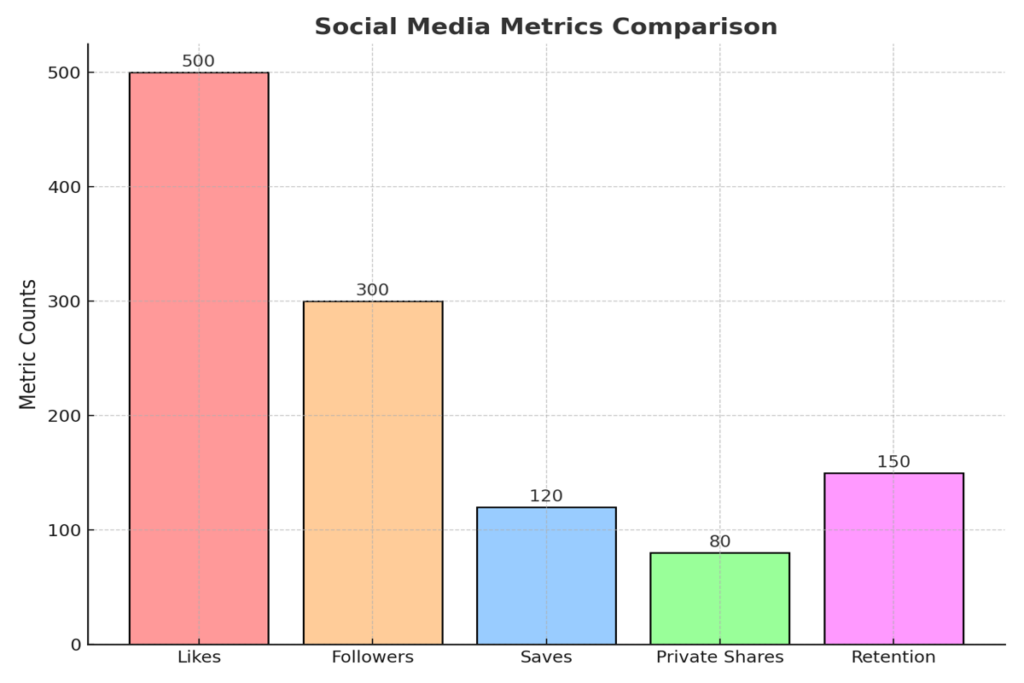
Let’s be honest: likes and followers might look nice, but they don’t pay the bills. In 2025, the real success of your social media strategy is measured by deeper, more meaningful interactions—metrics that actually drive growth.
Why Traditional Metrics Aren’t Enough
Chasing vanity metrics like likes and follower counts is tempting, but they don’t tell the whole story. What really matters is how your audience engages with your content, how often they come back, and whether they take actions that bring value to your business.
The Metrics That Matter Now
- Micro-Conversions: These are small but meaningful actions that indicate interest and engagement, such as:
- Saving your posts for later.
- Sharing your content privately with friends.
- Clicking through to your website.
- Retention Metrics: These track how often the same people interact with your content over time. Are your followers returning to your page? Are they commenting on multiple posts?
How to Measure These Metrics Effectively
- Insights and Analytics: Use platform-specific tools like Instagram Insights or Facebook Analytics to monitor actions like saves and shares.
- Google Analytics: Track website traffic from social media, focusing on returning visitors and time spent on your site.
- Customer Feedback Tools: Surveys and polls on platforms like Instagram can give you direct insights into what your audience values.
Why These Metrics Transform Your Social Media Strategy
Focusing on actions like saves, shares, and repeat engagement helps you understand what your audience truly values. These insights allow you to refine your social media strategy for long-term results, not just short-term likes.
Start by tracking these metrics consistently and using them to tweak your content. It’s not about impressing your audience once—it’s about keeping them engaged again and again. That’s the kind of success every social media strategy should aim for.
Conclusion
By now, you’ve seen how a strong social media strategy isn’t just about showing up—it’s about showing up smart. These hidden rules—from leveraging nano-influencers and gamification to embracing hyperlocal marketing and customer-led content—can set your small business apart in 2025.
What makes these strategies work? They’re not about chasing trends or vanity metrics. They’re about real engagement, authentic connections, and measurable results.
Your next move? Take action.
Pick one strategy and implement it this week. Test a poll in your Instagram Stories. Start geotagging your posts. Invite a loyal customer to share their experience with your brand.
Your audience is out there, waiting. Let’s make 2025 the year you show them what your small business can really do.