
Is Becoming a Pilot Worth It? Training Cost vs First Airline Salary
TL;DR · The short answer5 key points
- Is becoming a pilot worth it? For most people who finish, yes, but only if you budget against a first-officer paycheck, not the career-peak salary.
- All-in training to airline minimums runs roughly $80,000 to $135,000, including hour building.
- The BLS median for airline pilots is $232,140, but the lowest 10% earn under $106,710, which is closer to early-career pay.
- Your break-even year is when cumulative airline pay overtakes training cost plus the income you gave up while building hours.
- Check your FAA medical and your tolerance for reserve days and time away from home before you pay a deposit.
A flight school quotes you the full training bill on a Tuesday. By Thursday you’re reading a forum thread about airline pilot pay and wondering why the two numbers feel like different careers. They do.
Asking whether becoming a pilot is worth it usually gets answered with a salary figure pulled from the top of the pay scale. That number describes someone far up a seniority list, not the first officer seat you’d occupy. The gap between training cost and early airline pay is where the real answer lives.
This article gives you a break-even framework to run against your own numbers. You’ll total all-in training cost, weigh the lean years of hour building, and find the year your airline earnings overtake the investment. Budget against a first-officer paycheck, not a career peak.
The Salary Figure Everyone Quotes Is the Wrong One
The number that decides whether becoming a pilot is worth it never appears in the headline. It is not the median wage, and it is not the top-of-scale captain pay that fills forum threads.
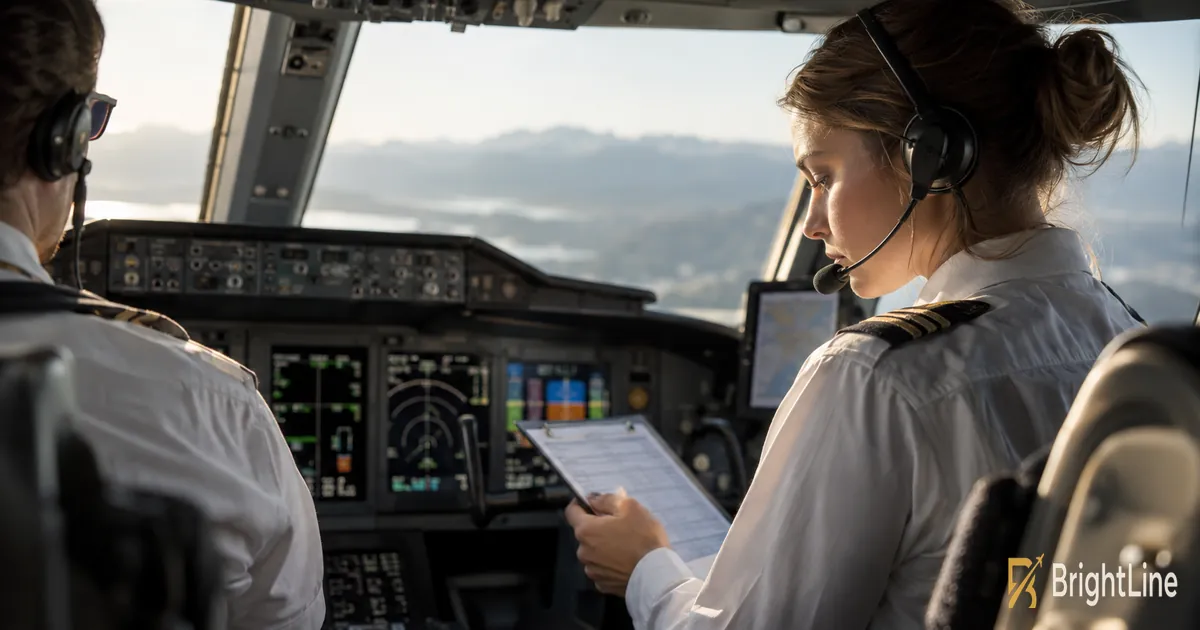
The median annual wage for airline pilots, copilots and flight engineers was $232,140 in May 2025, according to the BLS occupational outlook. That median describes the occupation as a whole, not the person in a first-officer seat in year two. The same data shows the lowest 10% of airline pilots earned less than $106,710, which is much closer to where new hires start.
The median is a snapshot of a seniority list, not a starting line. Half the pilots in that group sit above it, and they have spent years climbing. A new hire enters at the bottom of the same list, earning regional first-officer pay while logging hours that eventually open the way to a better seat.
Quoting a career-peak salary to someone deciding today is a category error. The honest comparison is total training cost against early-career earnings, not a number that arrives a decade later. Commercial pilots, the category that includes instructors and charter work, show a median of $123,220. That gap is the climb itself.
Run the math against the wrong number and every flight school looks like a bargain. Run it against the first-officer paycheck and the picture changes. What that paycheck looks like, and how long it stays modest, is where the real calculation begins.
What Flight Training Actually Costs Before Payday
The brochure price covers flight hours. It does not cover the checkride examiner fee, the headset, the tablet, the medical, or the months you are not earning a salary. Run the full stack before you compare it to any paycheck. A flight school cost breakdown that stops at hourly rates tells you almost nothing about the real bill.
| Stage | Realistic cost range | What the brochure omits |
|---|---|---|
| Private pilot certificate | $12,000 to $18,000 | Examiner fee, medical, headset |
| Instrument rating | $9,000 to $14,000 | Simulator time, charts, written exam |
| Commercial certificate | $8,000 to $13,000 (plus time building to 250 hours) | Complex aircraft premium, checkride |
| Multi-engine add-on | $6,000 to $10,000 | Higher hourly rate, examiner fee |
| Flight instructor ratings | $6,000 to $9,000 | Two checkrides, spin training |
| Hour building to 1,500 | $40,000 to $70,000 if self-funded | Months of low or no income |
| All-in total | $81,000 to $134,000 | Living costs during training |
The hour-building row is the one students underestimate most. The FAA requires 1,500 total flight hours for an unrestricted ATP certificate, with reduced minimums of 1,000 or 1,250 hours for some degree graduates. Most pilots build much of that time as paid flight instructors rather than paying for it, which lowers the bill but stretches the calendar. Budget the low end only if you train full time with no delays; part-time students should plan against the high end.
Financing changes the math but not the total. A loan spreads the bill across years, and interest rides on top of every dollar you borrowed. The number that matters is what you owe the day you finish, not what the school quoted on day one.
Your First Airline Salary Is Not the Number You Trained For
The earnings path from flight instructor to regional first officer to major airline captain is where the question of whether becoming a pilot is worth it gets settled. The break-even math lives almost entirely in the first two stages.
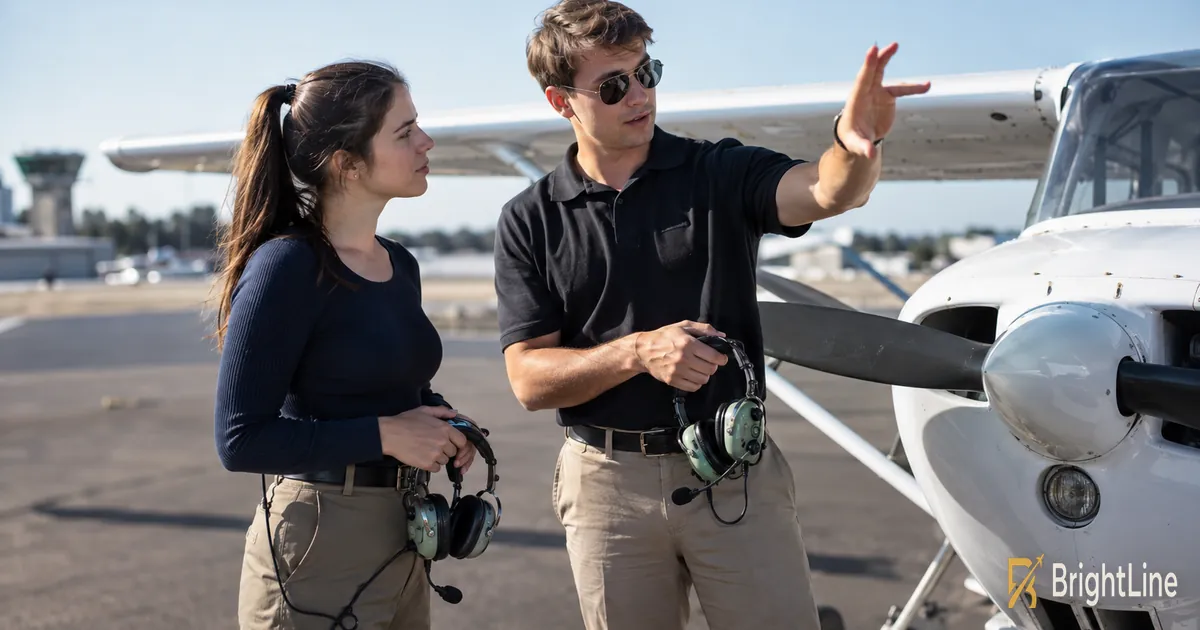


Flight instructor. This is the first paid job for most graduates. Instructors are often paid by the flight hour, and annual pay commonly lands somewhere in the $40,000 to $70,000 range depending on how much they fly. It keeps a new pilot current and employed while logging time, but it rarely makes a dent in a large training loan.
Regional first officer. This is the real airline pilot starting salary, and it is the number to budget against. Many US regional airlines now start first officers at roughly $90,000 to $110,000 a year with benefits, though pay varies widely by airline and hiring cycle, so check current pay scales. A student who plans around the major airline captain number is planning for a decade out.
Major airline. The mainline seat arrives only after years of seniority. It rewards patience with strong pay and stability, and it is where the BLS median and the $300,000-plus captain salaries come from. It is also the stage a new student is least likely to reach quickly.
Budget against the first-officer paycheck and the break-even year becomes visible. Budget against the captain figure and it never does. For international students, this is also where visa and admissions costs belong in the all-in number, alongside the commercial pilot license cost, before you commit.
The Break-Even Year Nobody Puts on the Brochure
Four steps produce the one figure that actually answers whether becoming a pilot is worth it for you. Skip the third step and the break-even year arrives as a shock, usually around the time the training loan payment comes due.
Step 1. Total the all-in training cost, not the brochure quote. Add checkride fees, medicals, materials and living expenses across the whole pilot training timeline from first lesson to ATP minimums. Sourced flight training cost statistics show how quickly those extras stack up.
Step 2. Estimate your years of pre-airline income while you build hours. Count the instructor or banner-tow years honestly, because that stretch is where the earnings gap opens.
Step 3. Subtract the income you gave up compared with your current job. This is the step students skip, and it’s the one that changes the answer.
Step 4. Find the year cumulative airline earnings overtake training cost plus lost wages. That crossover year is your true break-even, and it usually lands later than any brochure suggests.
A worked example. Say training costs $100,000 and you give up $40,000 a year of other income for two years of training and instructing. That’s $180,000 to recover. If you then earn $100,000 a year as a first officer and set aside $30,000 a year toward that gap, it takes about six years to break even, before raises. Captain upgrades and major airline pay shorten that sharply in later years.
Financing terms belong in the calculation from day one. Interest on a training loan keeps adding up while you earn instructor wages, so a longer repayment window pushes the crossover year further out. Run the four steps with your actual loan rate before you commit.
Why the Cheapest Flight School Can Cost You More
The lowest hourly rate on the brochure is often the most expensive route to a certificate. You’re buying a completed certificate, not a block of flight time.
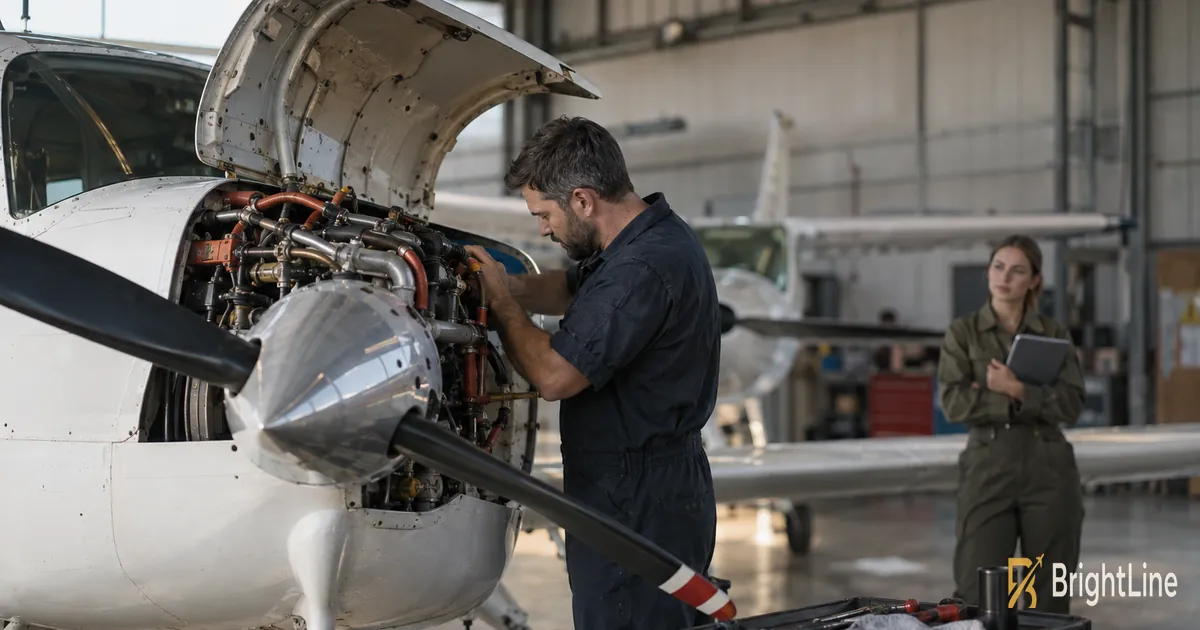
Cheap schools stretch the calendar. Aircraft go down for maintenance with no backup, instructors leave for the regionals and take your continuity with them, and scheduling gaps push your next lesson out by weeks. Every delay is a month of rent, groceries and zero airline pay.
A school quoting a bargain rate on a tired fleet with two instructors is selling you a number, not a timeline. Ask how many aircraft they run per student and how long their last ten commercial graduates took to finish. Those answers expose the real cost per completed certificate.
The FAA’s guidance on pilot training and certification makes clear that certificates come from demonstrated proficiency, not hours logged at a discount. A student who finishes six months later pays for that gap in living costs alone, before counting airline seniority. Ask every school for a written estimate that includes the hours it actually expects you to need, not the FAA minimum.
Any honest flight school cost comparison has to put the calendar next to the invoice. The school that finishes you fastest at a fair rate beats the bargain that keeps you paying rent in a holding pattern.
The Lifestyle Costs That Never Show Up in the Math
Whether becoming a pilot is worth it gets argued on spreadsheets with no column for reserve days, base assignments or the marriage. Those costs hit hardest when pay is lowest.
Reserve days that erase a second income
A junior pilot sits on reserve, waiting for a call that can send them out on short notice. That kills the side job many new first officers count on, and childcare becomes a scheduling puzzle with no fixed answer.
The seniority system owns your address
Base assignments follow seniority, not preference. A new hire at a regional often gets the base nobody wants, then commutes by air. Commuting adds unpaid days to every trip.
The relationship strain is real
The pilot divorce question keeps coming up because the schedule is hard on partners. Absence is a cost the spreadsheet never captures. A pilot who resents the lifestyle will resent the job that funds it.
Know your tolerance before you commit
No salary makes up for a life you dread living. If unpredictable days and long stretches away from home sound intolerable, weigh these costs heavily. Talk to working first officers, not just recruiters, about what their first three years actually looked like before you commit.
Is Becoming a Pilot in 2026 Still a Good Bet?
The bet pays off well for a certain kind of candidate and badly for another. The difference is whether you can fund training without crushing debt and absorb several lean years on the way to the airline.

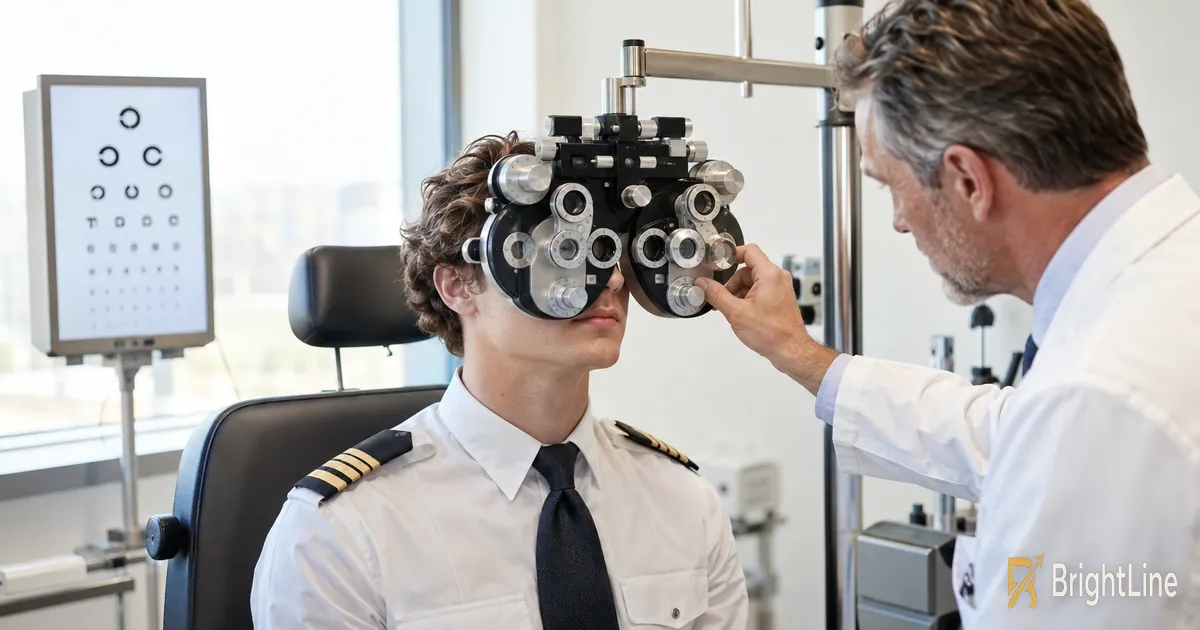
The winning candidate clears a medical early, funds training without loans that pile up against an instructor’s wage, and genuinely enjoys procedural flying. Pilots who love checklists and recurrent training stay. Those who loved the idea of the cockpit often quit during hour building.
The losing candidate budgets against the top-of-scale figure and never runs the break-even math. That person enters on a salary assumption, hits a hiring slowdown, and discovers the regional seat pays far less than the brochure implied. Hiring cycles reward patience and punish anyone who timed their entry to a peak.
Medical eligibility is the quiet disqualifier. A failed first-class medical can end the career before training debt is repaid, and many applicants discover a disqualifying condition only after paying a deposit. Confirm your medical before you commit a dollar to a school.
Look for a school that shows you the full cost and a realistic earnings path in writing. A school that answers these questions openly is usually also the one that gets students to their checkrides on time.
Before you commit, understand what the ATP certificate requirements demand of your time and money. Then decide whether you can become a pilot in the USA on terms your finances survive. If age is part of your question, see am I too old to become a pilot. The candidate who wins is the one who checked before booking, not after.
Run the Break-Even Math Before You Book a Discovery Flight
The decision that settles whether becoming a pilot is worth it is a crossover point, not a salary line. You now have the pieces: the all-in training bill, the instructor years, the regional seat, the loan interest. Put them on one timeline and the answer stops being abstract.
Skip that math and the risk builds quietly. A student who borrows against a captain’s paycheck and lands a first-officer schedule discovers the gap in year two, when the payment is due and the upgrade is still years out. The crossover year is the only number that tells you whether the debt clears before the career does.
Total your training cost tonight. Estimate your pre-airline years honestly. Find the year your cumulative pay passes the investment, then decide if you can live inside that window. Budget against a first-officer paycheck, never a career peak.
If you run a flight school, BrightLine Digital’s aviation SEO builds content that answers prospective students’ cost-versus-salary questions and turns that search traffic into inquiries. Book a call to see how our aviation-only team can grow your qualified leads.
FAQ
Pilot Career Questions Readers Ask Before Committing
Is it financially worth it to become a pilot?
For most pilots who reach an airline, yes, but it takes time. Training to airline minimums costs roughly $80,000 to $135,000, and many pilots break even somewhere around 5 to 8 years after starting, once regional and then major airline pay kicks in. If you need the investment to pay back quickly, it is the wrong calculation.
How much does a first-year airline pilot make?
Many US regional airlines start first officers at roughly $90,000 to $110,000 a year, though it varies by airline and hiring market. Before that, most pilots spend one to two years as flight instructors earning considerably less.
Why is the pilot divorce rate so high?
The schedule does the damage, not the job itself: reserve days, last-minute reassignments and multi-day trips keep a pilot away from home in long blocks. Commuting to a distant base removes the recovery days that would otherwise help hold a relationship together.
Is it still a good idea to become a pilot?
It remains a sound choice for someone who can fund training without crushing debt, holds a clean medical, and can absorb a few years of modest pay while building hours. The career punishes candidates who enter on a salary assumption and rewards those who plan around hiring cycles.
Do pilots earn $300,000 a year?
Yes, senior captains at major US airlines can earn $300,000 or more, and the BLS reports the top 10% of airline pilots earn over $463,830. That pay usually comes after 10 or more years of seniority, not in a first-officer seat.