
Aircraft Brokerage Marketing Agency: How Brokers Win Buyers Before the Listing Sites Do
TL;DR · The short answer5 key points
- An aircraft brokerage marketing agency should win the buyer during research, before Controller or AvBuyer puts four identical listings side by side.
- Buyers want proof you know the airframe; sellers want proof you know the market. Market to each separately.
- Judge channels by qualified inquiries (aircraft, budget, timeline), not raw leads or traffic.
- Build model pages, ownership-cost content, fast specific follow-up and tracking. A small team can run all four.
- The broker who replies first with a real answer usually keeps the buyer.
A sales director refreshes Controller on a Tuesday morning and finds the same King Air 250 listed by four competing brokerages, priced within a rounding error. The buyer comparing those four listings already has a favorite: whoever answered their operating-cost question three weeks ago, before the search began.
Winning that earlier moment is the whole job of aircraft brokerage marketing. Listing sites hand every brokerage the same buyers at the same instant, turning the deal into a price fight. The brokerages that grow get found while a buyer is still weighing a Citation CJ3 against a King Air.
This article shows how to market to both sides of the deal, how each channel compares on cost and lead quality, and which channels reach owners with a budget instead of tire-kickers. It also covers why a specialist aircraft brokerage marketing agency beats a generalist, and the follow-up habit that decides who signs.
The Listing Site Is the Last Place Buyers Look
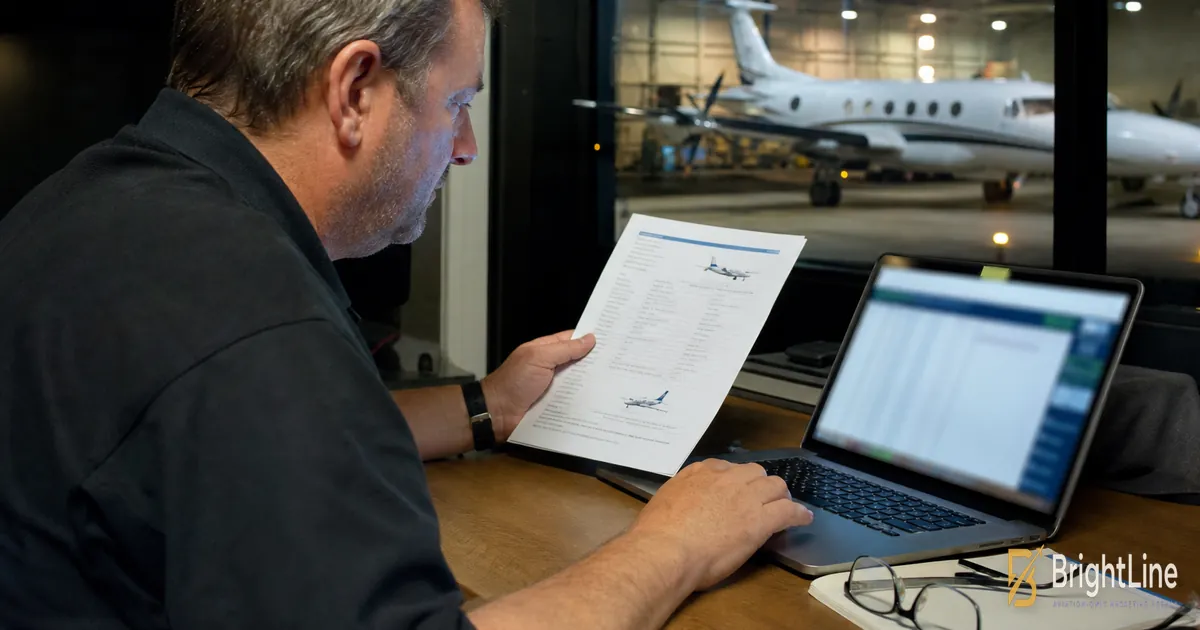
The buyer who calls you has usually been reading about your aircraft for weeks before your listing crosses their screen. They start with a question about a King Air 250’s real operating cost, not a search for a broker. That distinction shapes how an aircraft brokerage marketing agency should spend its effort.
Model research happens in stages. A buyer compares a TBM 930 against a Pilatus PC-12, then digs into range, payload, and hot-and-high departures. They pull registration history through the FAA aircraft registration inquiry to check an airframe’s ownership trail. Pre-buy inspection anxiety comes next, long before anyone opens a listing tab.
By the time that buyer reaches Controller or AvBuyer, the shortlist is half-built. They’ve bookmarked the brokerage whose site explained the difference between two engine variants, or whose article answered the question their A&P couldn’t. Listing placement puts you in the pile. Research content decides whether you’re the one they call first.
This is the case for aircraft broker SEO alongside listing spend. A paid slot buys visibility while the invoice clears. A page that ranks for a model-specific acquisition question keeps working through every buying cycle, reaching the buyer while they’re still forming opinions. The brokerage that shows up during research owns the first conversation, where trust gets built.
Two Buyers, Two Trust Problems, One Pipeline
A buyer and a seller arrive at your brokerage with opposite fears. The buyer worries you don’t know the aircraft. The seller worries you won’t get the price. Run one generic message at both and you’ll lose each to a competitor who spoke to their specific doubt.
That split is where aircraft brokerage lead generation quietly fails. Treat them as one audience and you dilute both pitches.
The Buyer Wants Proof You Know the Airframe
A buyer researching a King Air 350 wants to know what a hot-section inspection actually costs and how the aircraft handles a short runway. Answer those questions on your site and you’ve demonstrated competence before the first call.
The Seller Chooses on Market Knowledge, Not Listing Fee
Sellers interview brokers the way they’d interview a CFO. They want to see your read on comparable sales, days on market, and where their aircraft sits against the competition. Solid aircraft sales market research shapes that pitch, and a seller who sees it trusts you with the listing.
The Referral Source Sends Both Sides
Your best referral partner is often a maintenance shop, a fractional operator, or a repeat client who’s bought twice. They send buyers and sellers because they’ve watched you close cleanly. Referrals reward visibility, not luck. A broker nobody can find online rarely gets the call.
The two audiences share one pipeline but never one message. Separate the content, the proof, and the follow-up, and both sides feel understood.
What a Qualified Buyer Inquiry Actually Costs
A cheap inquiry is the most expensive thing a brokerage can buy. The channel with the lowest cost per form fill usually has the highest cost per closed deal, because tire-kickers consume the same sales hours a real buyer does. Compare the four channels a brokerage runs. The gap is not spend. It is how much of each inquiry survives to a serious conversation.
| Channel | What It Reaches | Cost in Effort and Spend |
|---|---|---|
| Listing site placement (Controller, AvBuyer) | Buyers already comparing your aircraft against near-identical listings | Recurring placement fees, for the same slots your competitors hold |
| Paid search on model and acquisition terms | Buyers actively pricing a specific airframe right now | Ongoing spend per click, managed tightly to avoid broad-match waste |
| Organic search content | Owners researching operating costs and pre-buy questions weeks out | Upfront writing and site work, then low marginal cost per inquiry |
| Referral and network | Owners sent by a contact who already trusts you | No direct spend, but relationship time you cannot scale |
Organic content tends to win on cost per qualified inquiry because it filters before the form. A buyer reading about a King Air’s inspection cycle is not browsing. They are deciding.
Judge every channel on qualified inquiries, not raw leads. A referral that closes beats a hundred listing-site clicks that never answer a follow-up call.
How to Market an Aircraft Brokerage Without a Team
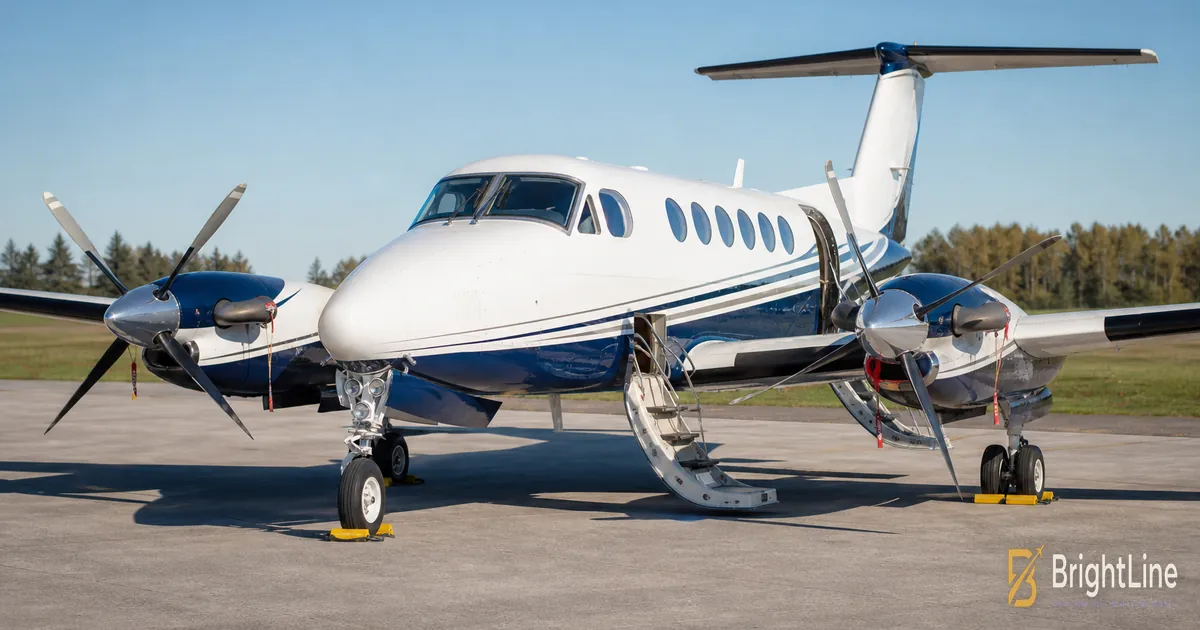
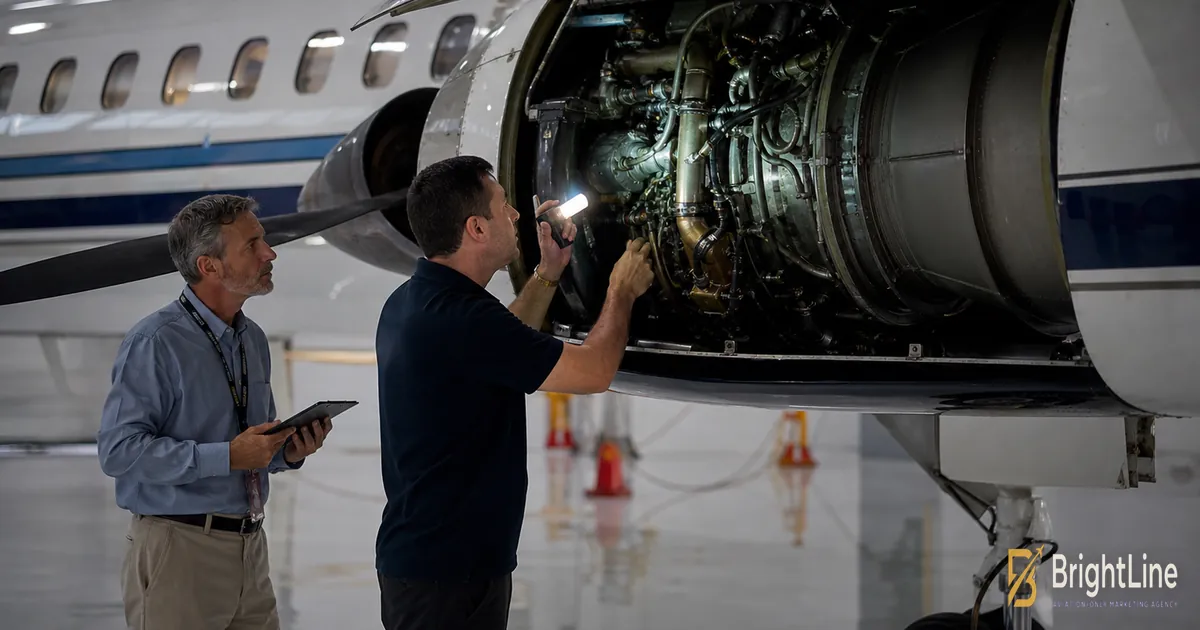

Four moves carry the whole program, and a small brokerage can run all of them without adding headcount. Skip the fourth and the first three become guesswork.
Step 1. Build a page for every model you actually trade, not every model in the sky. A King Air 350 page written by someone who has sold three of them reads differently than a spec sheet. Skip this and buyers researching that model find a competitor’s page instead.
Step 2. Publish acquisition and ownership-cost content that answers pre-buy questions before the buyer asks. Cover what a pre-buy inspection surfaces on a specific airframe, and what a first annual costs an owner. Answering early separates a specialist from a listing feed.
Step 3. Set up fast follow-up on every inquiry, with a real reply from a real person. A buyer who fills out a form on your model page is still deciding. The brokerage that answers with a specific reply keeps the conversation.
Step 4. Track which pages produce qualified conversations, not which pages get traffic. A model page that draws browsers but no budget-ready buyers is telling you something. Without this step, you can’t tell which content earns its place.
These four steps map onto a simple aviation sales funnel. Finish them and the brokerage stops guessing which marketing works. Every model page, every cost article, and every follow-up becomes a measurable line in the pipeline.
Why Generalist Agencies Miss the Aircraft Deal
The specialist versus generalist question, the same test we apply in MRO company marketing, gets decided by one thing: whether the agency understands what happens between the inquiry and the closing. A generalist can run a clean campaign. It just can’t tell you which page produced a buyer.
A generalist agency runs the brokerage like a car dealership. One contact form, one message about “great deals on quality aircraft,” and a monthly report full of sessions and impressions. Nobody can trace a single page to a signed listing agreement.
An aircraft brokerage marketing agency builds around the deal itself. One transaction can be worth millions, the cycle stretches across months, and the seller picks a broker on market knowledge before price ever comes up. Campaigns built for a same-week car purchase collapse against a buyer who is still weighing a pre-buy inspection.
Generalists also misread the seller. A seller interviews brokers, checks who knows the King Air market, and asks what happened on the last three comparable sales. A generic pitch about reach and visibility answers none of that.
Specialist work can cost more upfront. That premium buys an agency that already knows the difference between a pressurization squawk and a damage history. A generalist’s first months are tuition you pay for. Choose the specialist when your pipeline depends on a handful of serious owners each year.
The Channels That Reach Owners, Not Tire-Kickers
Chasing volume wastes a brokerage’s sales hours. A turboprop owner with a budget and a timeline is worth more than a hundred casual browsers, and the channels that reach them are chosen for precision, not reach.
- Model-specific search content. Pages built around the aircraft you actually trade answer the questions a serious owner is already typing. A King Air operator comparing operating costs lands on your page weeks before they open a listing site.
- Paid search on acquisition terms. Bidding on model names and buying-intent phrases puts your brokerage in front of someone actively researching a purchase. Tight term lists reach owners with a checkbook.
- Reputation and review presence. Owners check who else trusted you before they call. Visible, specific reviews read as the safe choice when a seven-figure decision is on the line.
- Follow-up that beats the next call. A buyer who submits a form on a model page is still deciding. The brokerage that replies with a relevant, specific answer before the buyer dials a competitor keeps the conversation.
Each channel filters for intent rather than chasing raw traffic. Lead generation for aircraft sales is a filtering problem, not a traffic problem. It’s the same principle behind chasing real leads, not traffic in private jet charter, and it keeps the sales team’s hours on owners ready to move.
The Follow-Up Gap That Costs Brokers the Deal


Brokerages lose deals they already won at the inquiry stage. A buyer submits a form on your King Air page, hears nothing for two days, and calls the next brokerage on their shortlist. The lead was never the problem. The silence was.
Treat the form fill as a starting gun, not a finish line. That buyer is still comparing and still talking to other brokerages. A reply that names their aircraft, answers the specific question they asked, and offers a next step keeps you in the conversation. A generic “thanks, we’ll be in touch” hands the deal to whoever answers with substance.
Speed alone doesn’t close it. Relevance does. A response that references the exact model, the operating cost question they raised, and a realistic timeline signals you know the aircraft. That’s the proof a buyer is hunting for before they trust anyone with a pre-buy.
That habit has to become a system. Every inquiry gets logged, routed, and followed up on schedule, the kind of work aviation sales automation handles without adding headcount. For a brokerage where one deal can run into millions, a lead that dies in an inbox is not recoverable. The buyer who hears back first, with the right answer, usually stops looking.
Own the Research Before the Listing Site Opens
The brokerage a buyer remembers is the one that answered the question they typed at midnight, months before a listing slot was ever paid for. An aircraft brokerage marketing agency earns that recall by owning the research stage, not by bidding for the same placement as every competitor.
Wait for the next buying cycle and the gap widens. Buyers researching a Citation or a Pilatus will form their shortlist from whoever explains operating costs, inspection timelines, and model trade-offs clearly. Miss that window and your sales team spends the cycle chasing buyers who already have a favorite.
Start with an audit. List every model you trade and every acquisition question a buyer asks before a pre-buy. Search each one. Where your brokerage is absent, build the page that answers it. Fix those gaps now, while the buyer is still deciding.
BrightLine Digital’s aviation SEO services get your brokerage found while buyers are still comparing aircraft, long before the listing sites level the field. Book a call to see where your brokerage ranks today and what it takes to reach those earlier buyers.
FAQ
Aircraft Brokerage Marketing Questions Owners Ask
How long does it take to see results from aircraft broker SEO?
Most brokerages see the first qualified inquiries from search within about 3 to 6 months, because visibility for model and acquisition terms builds slowly. The pages that move fastest answer a narrow question, such as a specific turboprop’s real fuel burn, rather than broad homepage copy.
What should a brokerage track to judge marketing?
Track the number of inquiries that name a specific aircraft, a budget, and a timeline, because that combination separates a real buyer from a browser. A page that generates a dozen vague form fills is worth less than one that produces a single call from an owner ready to list.
How does marketing reach sellers as well as buyers?
Sellers search for market knowledge before they search for a broker, so content that explains current values, days on market, and timing decisions reaches them while they are still deciding. A seller who reads your breakdown of what a clean pre-buy does to a final price arrives at the listing conversation already trusting your read on the market.
Do aircraft brokers make good money?
They can. Brokers are usually paid a commission, often a small percentage of the sale price, so earnings depend on the size and number of deals closed. On aircraft worth millions, a few deals a year can be significant, which is why steady access to qualified buyers and sellers matters so much.