Avionics Repair Shop Marketing: How to Fill the Bench With Upgrade Jobs, Not Just Squawks
TL;DR · The short answer5 key points
- Avionics repair shop marketing should sell planned upgrades, not just urgent repairs: glass panels, autopilots and ADS-B installs are where the margin is.
- Upgrade buyers search by airframe and equipment, so build one page per install you actually do.
- Your finished panels are your best proof: photograph every install and file it by airframe.
- Explain what dealer status and Part 145 certification mean for the owner’s warranty and support.
- Reply to upgrade inquiries the same day with a price range and an install window.
A transponder quits during a busy Saturday and the phone rings before the pilot has tied down. That job feels like money. It’s the least profitable work your bench will see this month, and it’s the reason so many avionics shops stay stuck.
Repairs are urgent, price-shopped, and decided in a single call. Upgrades are the opposite. The owner weighing a glass panel or an autopilot against a Garmin or Avidyne retrofit spends weeks reading, comparing, and narrowing shops before dialing anyone.
That research window is where the install gets won or lost. This article shows how avionics repair shop marketing can claim it: equipment-level pages, panel proof, dealer credibility, and quotes fast enough to land before the next shop calls back. By the time the owner asks for a quote, the decision is already half made. You want to be the shop they’ve been reading all along.
Why Repair-First Marketing Keeps Your Bench Half Empty
Your website is doing exactly what you built it to do, and that’s the problem. It advertises capability, lists services, and waits for a pilot with a dead radio to call.
Repairs and upgrades are different purchases, and treating them as one product is where the money leaks out. A failed transponder is urgent and price-shopped. The pilot needs it fixed today and calls whoever answers first.
A Garmin G3X or Avidyne panel upgrade is the opposite. The owner reads for weeks, compares three shops, and weighs downtime against a flying season. That buyer isn’t looking for a pitch. They’re looking for proof.
Repair-first marketing trains the market to call you for emergencies. Every page reinforces the same message: this shop fixes broken things. So the owner planning a full IFR panel build never puts you on the shortlist.
Picture the owner of a Cessna 182 comparing shops for an autopilot install. They want to see the same airframe with the same unit already flying. They want a realistic downtime estimate. A services list answers none of it.
Shops that market only repairs stay busy and stay broke. The bench fills with squawks that pay the rent and eat the margin. Upgrade work goes to the shop that showed the panel.
Owners Search by Equipment, Not by Shop Name
The buyer researching a panel upgrade doesn’t search for an avionics shop. They search for their airplane and the box they want in it.
An Airframe Plus a Box Is the Whole Query
A Cessna 182 owner types a Garmin autopilot model and their aircraft into the search bar. A Cherokee owner types a glass panel for their specific model. A one-page capabilities list answers none of those searches.
One Page per Install You Actually Do
Build a page for every airframe and equipment combination your bench handles. A transponder swap and a full panel rebuild are different jobs with different buyers.
Generic SEO Advice Breaks on Queries This Narrow
Software-style SEO chases broad keywords and blog volume. Avionics shop SEO lives on long, equipment-specific searches a generalist agency will never target. The result is the same problem we see in aircraft maintenance SEO: capability pages that never rank because they were written for the wrong queries.
ADS-B Is the Clearest Example of Equipment-Led Search
Owners hunting an ADS-B install search by their transponder and airframe, not by shop name. They have often read the FAA’s own ADS-B guidance before they call, so your page has to be at least as specific as what they already know.
The Trust Gap Between a Quote Request and a Signed Work Order
The owner comparing shops rarely stalls because your price is wrong. They stall because your page gave them nothing to verify.
Listing services feels safe. Every shop does it, and a hangar photo looks professional enough. The reasoning breaks the moment a buyer opens three tabs and finds three identical pages with three different prices.
Before: A shop posts a services list, a phone number, a stock hangar photo, and a form asking for an N-number with no explanation of what follows. The owner fills it in, hits send, and waits. Nothing tells them whether their airframe fits the upgrade, how long the aircraft sits, or who signs off the work. That silence hands the decision to whichever shop answers first.
After: The same shop builds a page that answers the questions buyers check first. Aircraft fit sits near the top, followed by the certification path, realistic downtime, and the installer’s background. The owner reads it and stops comparing. They already know this shop understands their airplane.
What separates the two pages is whether the shop treated the page as a brochure or as the first conversation with a buyer who is still deciding.
Finished Panels Are the Best Lead Magnet You Own
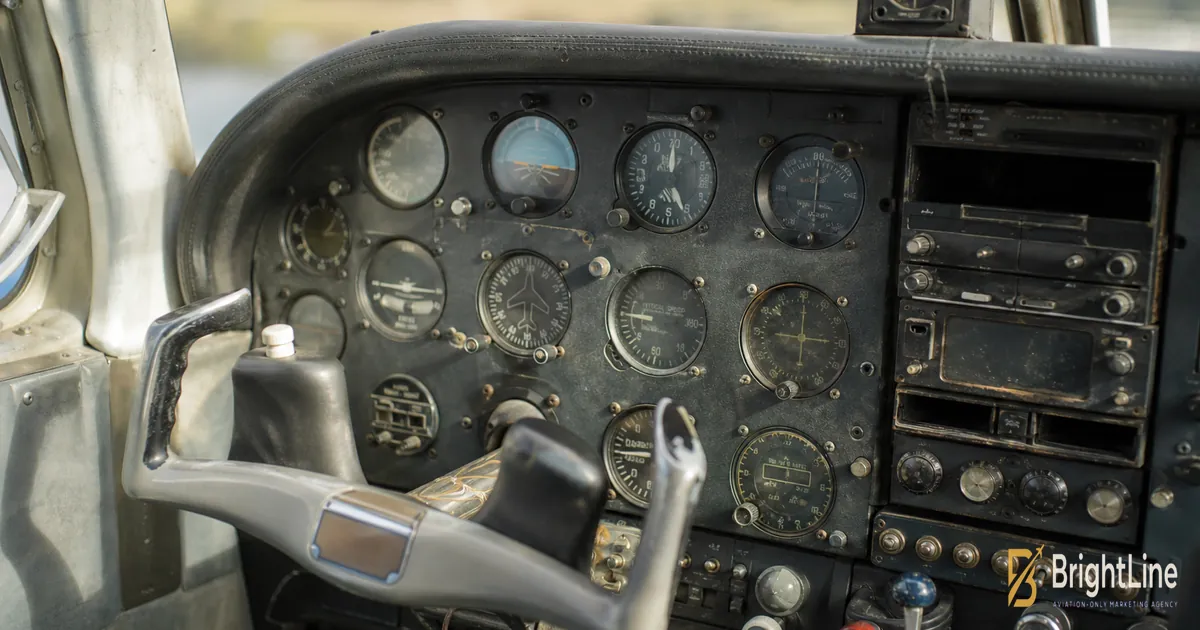
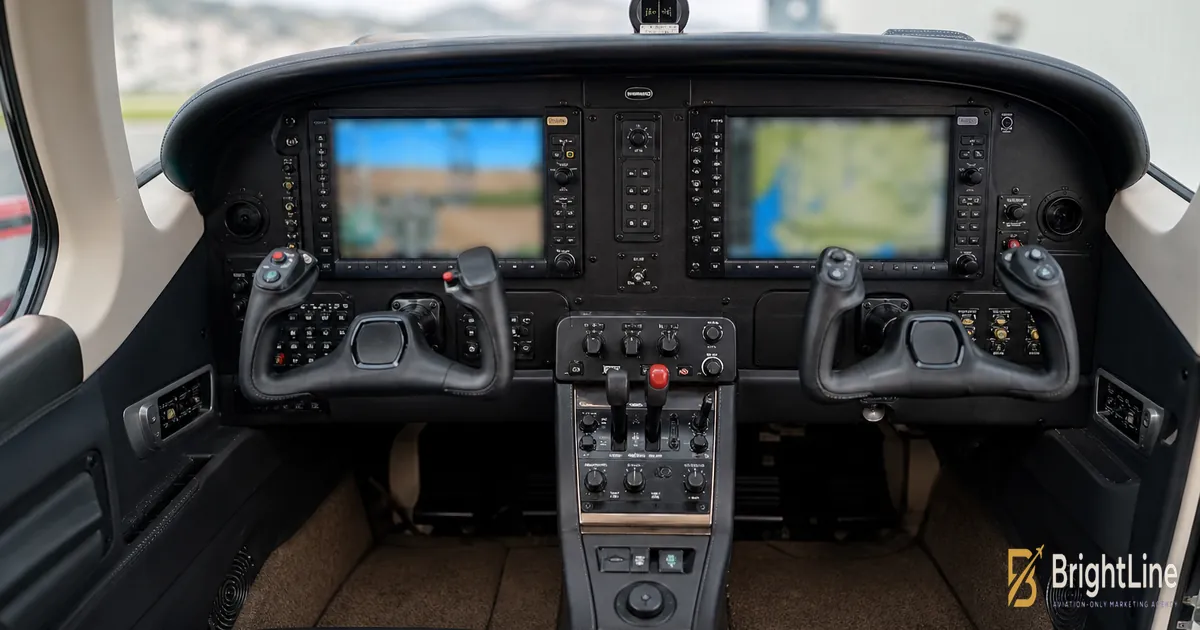

The best proof an avionics shop owns is sitting in a phone camera roll, unedited and unseen. Every completed panel answers the question a researching owner is asking: can this shop do this install on my airplane, and what does it look like when it’s done? Avionics upgrade marketing starts with the work already on your bench.
- Before-and-after panel gallery. Organize it by airframe and equipment, so the owner flying a Bonanza looking for a Garmin panel finds their exact airplane in your finished work. A single scrolling gallery of mixed aircraft proves nothing.
- Short install write-ups. Name the boxes, the airframe, and the realistic downtime. An owner planning a panel rebuild wants to know what a GTN 750 and G500 install actually costs them in days on the ground.
- Customer quotes tied to an upgrade. A generic five-star review is forgettable. A quote from a pilot describing how the new autopilot flew on the trip home sells the next install.
- A capture process at sign-off. Build the habit into the handoff: photos before the panel goes back in, photos after, the equipment list, and a two-line customer reaction. The content writes itself when the process is routine.
- One page per airframe. Group the gallery, write-ups, and quotes under the model, so every install feeds a page that ranks for the airframe itself.
Documenting every install builds a library competitors cannot copy, because the proof lives in your hangar. Pick the upgrade you finish most often and start capturing it this week.
Dealer Status and Certifications Do the Selling for You
A shop that sources the same Garmin boxes without dealer authorization looks identical to an authorized dealer on a spec sheet. That ambiguity costs the real dealer the job. Dealer status is a trust signal only when the buyer can see it.
Owners read certification as a proxy for what happens after the install. An authorized dealer typically carries factory training, warranty support, and software access that an unauthorized source can’t match. When a panel needs a software update or a warranty claim, the difference surfaces fast.
Part 145 certification carries the same weight. A repair station certificated under 14 CFR Part 145 tells an owner the shop works under FAA oversight, not a hangar handshake. Bury that in a footer and you’ve hidden your strongest credential.
Present certifications where the buyer is deciding. A short block near the quote form explaining what your dealer authorization means for their warranty, and what your Part 145 rating covers on their airframe, does more than a logo strip.
Plain language beats acronyms. An owner who flies a Bonanza doesn’t know what an authorized dealer guarantees them. Explain the benefit, not the badge. The shop that translates certification into “your upgrade stays supported” wins the comparison before price comes up.
Quote Fast or Lose the Owner to the Next Shop
Speed is the cheapest competitive advantage in avionics repair lead generation. The owner comparing panels has already sent the same request to three shops. Whoever answers with substance first frames the decision for everyone after.
Step 1. Capture the request with the airframe and equipment already attached. A form asking for make, model, tail number, and the box being considered saves a round of email. Skip it and your first reply is a question, which reads as unprepared next to a shop that already knows the airplane.
Step 2. Reply with a real range and a named next step. Give the owner a ballpark for the install and say exactly what happens next, whether that’s a call to confirm panel fit or a visit. A vague “we’ll get back to you” hands the initiative to the shop that answered with numbers.
Step 3. Offer an install slot while the owner is still deciding. Propose a specific install window before the quote is final, because a calendar date turns interest into commitment. Waiting until the quote is signed lets the owner drift back to the other two shops.
Step 4. Keep a follow-up sequence for the quiet ones. Owners who go silent are usually waiting on a budget or a partner’s sign-off, not rejecting you. One polite check-in after a week recovers jobs that would otherwise vanish.
BrightLine Digital builds this sequence into aviation business automation connected to your intake form, so every inquiry gets the same fast, complete response. It’s the same discipline behind good aircraft MRO lead generation.
Book Install Slots Weeks Out Without Turning Work Away
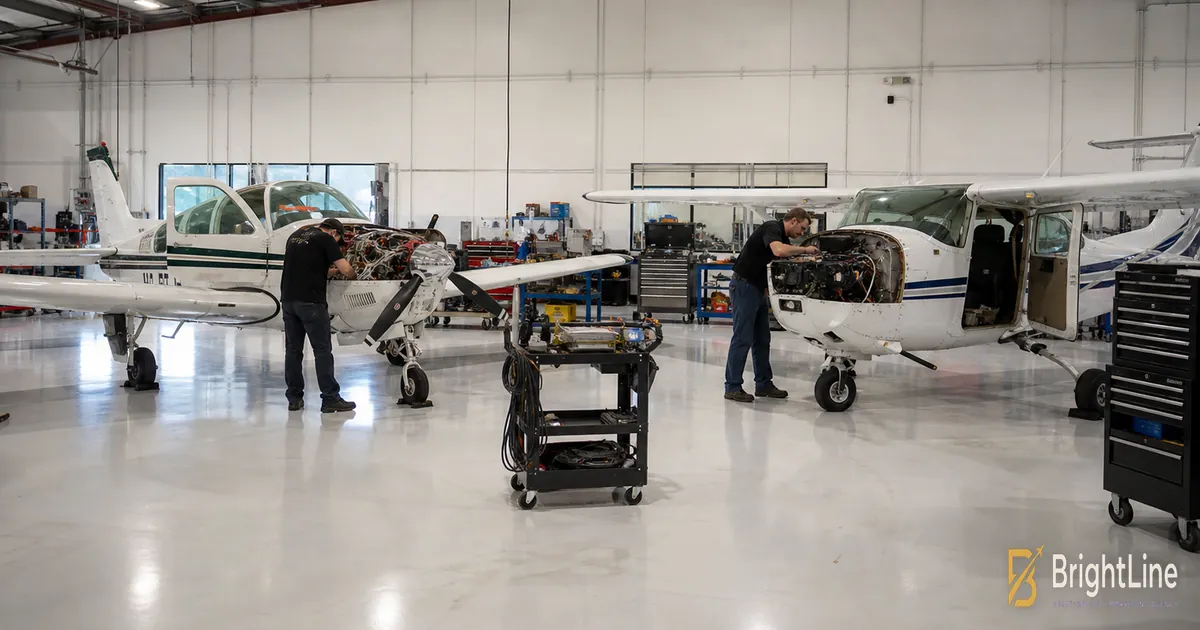
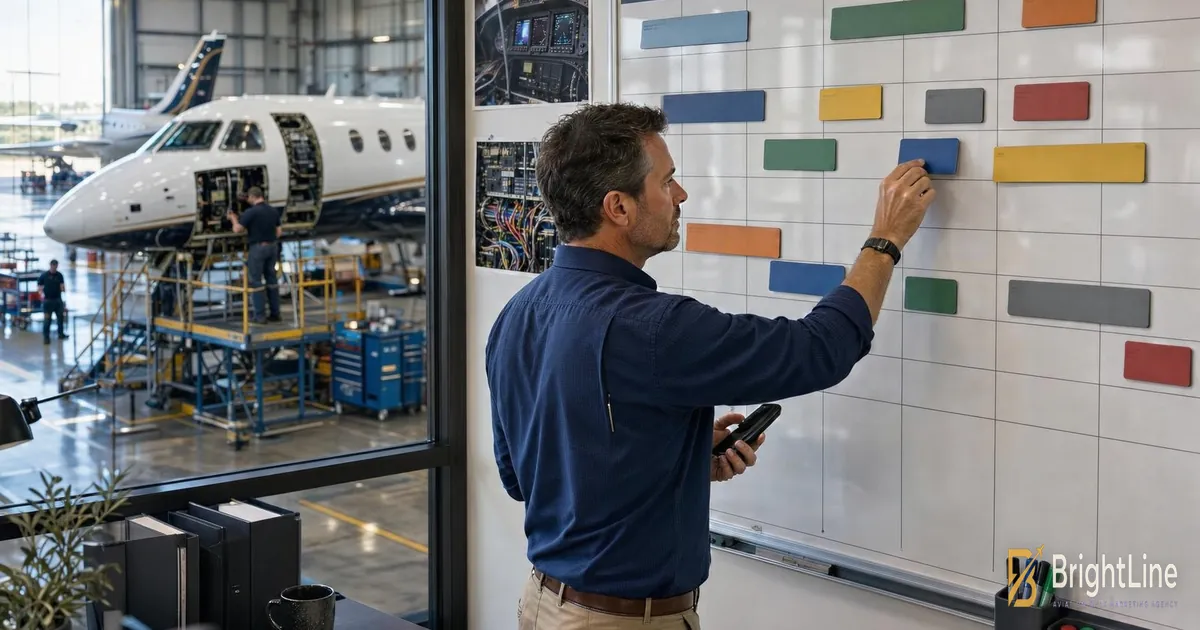
Two habits govern a full install calendar. One shop pulls the plug on marketing the moment the bench fills, then panics when it drains. The other keeps the pipeline running and sells the wait. The second habit wins, because a busy calendar is proof, not a problem.
The stop-and-scramble approach treats a booked bench as a finish line. Then a cancellation lands, a job slips, and the schedule has holes nobody planned for. The scramble that follows is expensive and late.
The always-on approach keeps the pages, the panel gallery, and the quote follow-up working while the bench is full. A shop booked out signals demand and quality to the owner still researching. Stating a clear lead time helps that owner plan downtime around a real date. Marketing for avionics installers this way keeps the pipeline warm without overpromising turnaround.
Separate the two inquiry types at the source. A squawk needs a callback and a slot this week. An upgrade inquiry needs the equipment page, the panel proof, and a quote range. Routing them together is how a planned install gets buried under a broken radio. A shared inbox treats a panel buyer like an emergency.
Hiding the lead time is the quiet mistake. An owner who needs a date will read silence as a shop that can’t commit. Publishing a realistic wait wins the buyer who plans ahead.
Stop Waiting on the Next Broken Radio
The squawk that saves your month is also the job that caps your year. Marketing built around it keeps you reacting to whatever fails next, while the owner planning a panel rebuild is comparing shops right now. That buyer is winnable, and the shop that explains the upgrade clearly takes them.
Waiting costs more than a slow week. The owner who called three shops and heard nothing back from you books with the one that answered, and that install slot is gone. Your next competitor is not the shop down the road. It is the silence after the inquiry.
Pick the upgrade you install most often. Build one page around it, one panel gallery from your own finished work, and one quote response you can send the same day. Do that this month and the pipeline stops depending on broken radios.
BrightLine Digital’s aviation SEO services put your shop in front of owners researching panel upgrades before they call anyone. Request an audit of your shop’s search visibility.
FAQ
Avionics Repair Shop Marketing Questions Owners Ask
How do you market upgrades separately from repairs?
Split them into two distinct funnels so upgrade buyers get research content while repair callers get speed and a phone number. The upgrade funnel needs equipment-specific pages and panel galleries, because a pilot planning a glass panel will read for weeks before calling anyone.
How do you turn finished installs into content?
Capture photos and notes at sign-off, before the aircraft leaves the hangar, and file them by airframe and equipment. A panel photographed on the bench after closing is nearly impossible to recreate later, which is why the habit has to live with the technician, not the office.
How fast should you respond to an upgrade inquiry?
Same business day, ideally within hours, because the owner has often sent the same request to competing shops. A response that includes a realistic price range and a proposed install window beats a faster reply that only promises to follow up.
Does dealer status actually matter to buyers?
Yes, when the shop explains what it means for warranty support and parts sourcing. A pilot comparing quotes cannot tell an authorized dealer from a shop that occasionally sources the same boxes unless the page spells out the difference.