
Aircraft Parts Lead Generation: Why Most Lists Miss the Buyer
TL;DR · The short answer5 key points
- A bought contact list sorts people by job title and company size. A parts buyer is defined by the airframe, part number and approval status they need right now, and no list shows that.
- Parts buyers search by part number and airframe, and check marketplaces and approval paperwork before they call. Pages that name the part catch them; lists don’t.
- Split AOG requests from scheduled purchases at the quote form: AOG goes to a phone line within minutes, scheduled work goes into a nurture sequence.
- Traceability is the real qualifier. A lead that can’t settle a part’s eligibility and paperwork is a name, not an opportunity.
- Measure qualified quote requests with a part number attached, not the contact count in your CRM.
A purchased contact list looks like a pipeline until the first call. Lead generation built on that list fails because the buyer was never in it. The names are real. The intent is not.
Parts buyers do not shop by job title. A director of maintenance with a grounded aircraft is searching a part number, an airframe and an approval status, and a database sorted by company size cannot see that. The call lands after the part is sourced.
This article explains why aircraft parts lead generation keeps missing the buyer and what to build instead. You’ll learn where parts buyers search, how AOG urgency rewrites your follow-up, and why traceability separates a real lead from a name.
What Aircraft Parts Lead Generation Actually Means
Aircraft parts lead generation is the work of capturing a parts buyer at the moment they are sourcing a specific item. It is not the work of buying a contact list. The distinction sounds academic until you watch a sales team dial through a spreadsheet of maintenance directors who never asked for anything.
Picture the buyer. A director of maintenance has a part number on a screen and an airframe down for inspection. A procurement lead is cross-checking a quote against a work order. Neither is browsing for a supplier relationship. Each is solving one problem with a deadline attached, and aviation B2B lead generation only works when it reaches that person mid-problem.
A lead is real when it carries three things: the airframe, the part and the urgency. Strip any one away and you have a name, not an opportunity. A contact record that says “VP of Maintenance, regional carrier” tells a rep nothing about what to quote or how fast to move.
The misconception worth dismantling now is that a bigger list equals more leads. Volume assumes the buyer pool is broad and passive. It is neither. A narrow page that names one part number will outpull a database of thousands, because the buyer already knows what they need and is searching for it by name.
Why a Bought List Misses the Parts Buyer


Contact databases are built for sales teams, not buyers. The fields that matter to whoever compiled the list are job title, company size and industry code. The fields that matter to a director of maintenance are airframe, part number and approval status. Those columns don’t exist in the file you bought.
That gap is structural, not a data quality problem. A list organized by title tells you that Dana runs procurement at a regional carrier. It cannot tell you that Dana’s number two engine needs a fuel nozzle and the aircraft is down. Every contact in the file looks identical because the file has no way to distinguish them.
So the follow-up looks identical too. The AOG buyer who needed a quote before lunch gets the same message as the planner working a heavy check scheduled for next quarter. Neither replies.
A grounded aircraft triggers a search, the buyer finds a supplier with the part in stock, and the transaction often closes the same day. Your call arrives the following week and lands on someone who already solved the problem. The list produced a contact. It never produced a lead.
Marketing for aviation parts suppliers lives or dies on this distinction. A database tells you who buys parts. It never tells you who is buying one right now. The buyer’s intent sits in a search query, not in a spreadsheet row.
Where Parts Buyers Search Before They Call
A parts buyer opens a browser with a part number in mind. The search is narrow and technical, which is why your pages have to name the exact item a buyer is hunting. Pages built around the company lose to pages built around the part.
- Part number and airframe queries. A director of maintenance searches an OEM part number and the aircraft model, not “aircraft components supplier.” A page that names the part and the airframes it fits is the only thing that matches.
- Traceability and approval context. Buyers check whether a part is eligible and documented before they ask for a quote. The FAA’s AC 20-62E on parts eligibility and identification sets out what they look for, and pages that answer it earn the call.
- AOG and turnaround language. A grounded aircraft produces searches for same-day shipping and exchange availability. Suppliers who never mention AOG response never appear.
- Marketplaces, OEM lists and associations. Many buyers check parts marketplaces such as ILS, PartsBase or StockMarket.aero, OEM distributor lists and trade association directories alongside Google. A consistent, credible presence there feeds the phone directly.
Every entry is a part-level signal, not a brand-level one. Part pages answer what the buyer needs now, and our guide to aviation parts supplier SEO maps the query classes those pages should target.
Audit your top part numbers against live search results this week. If a competitor’s page names the part and yours names your facility, the buyer never reaches your phone number. Strong aircraft maintenance SEO services start with that gap, not with a bigger list.
AOG Urgency Rewrites Your Follow-Up Rules

Two buyers can type the same part number into your quote form on the same morning and need opposite things. One has an aircraft on jacks with a departure slot closing. The other is planning an overhaul for next quarter. Treating them as one lead type is where parts lead generation quietly dies, because the follow-up that saves one sale kills the other.
The AOG buyer is not shopping. A grounded aircraft burns revenue by the hour, so that buyer cares about one thing: who can confirm the part and ship it fastest. Price becomes secondary once the aircraft is down. Your response has to be a phone call, not an email, and it has to happen before the buyer dials the next supplier.
The scheduled buyer runs on a calendar, not a clock. That buyer is comparing quotes, confirming approval status and lining up paperwork weeks ahead of the overhaul window. A nurture sequence works here because the decision has room to breathe. Speed still matters, but a same-day reply is enough.
So split them three ways:
- Separate capture. The quote form asks whether the aircraft is grounded, so the AOG request flags itself at submission.
- Separate routing. AOG requests land on a phone line, not a shared inbox.
- Separate scripts. The AOG call opens with availability, and the scheduled call opens with documentation.
One list and one sequence cannot serve both buyers. That mismatch is why so many programs stall after the first contact. Build the split before you build the list.
Traceability Is the Real Qualification Filter
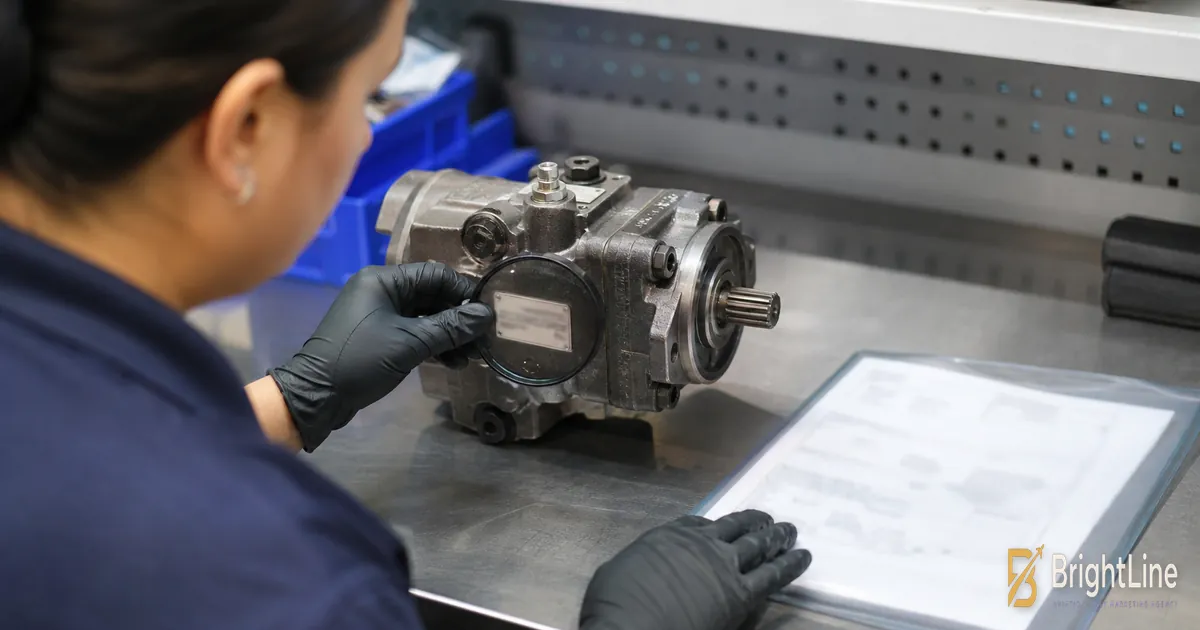


Price is the second question a parts buyer asks. The first is whether the part can be legally installed on the aircraft at all, and a supplier who cannot answer that never gets to quote.
Provenance governs the whole transaction. A buyer at a regional MRO sourcing a fuel control unit needs the approval context settled first: is this a new OEM part, an overhauled unit with a release tag, or something with a gap in its history? A contact record with a perfect email address and no paperwork answer is not a qualified lead. It is a name.
Maintenance and procurement staff verify documentation before they request pricing, because an unapproved part creates a liability that outlasts any discount. EASA’s notices on suspected unapproved parts show how quickly a sourcing shortcut turns into an airworthiness problem, and the DOT Inspector General has opened an audit of FAA oversight of suspected unapproved parts.
This is where most parts lead generation quietly breaks. The supplier’s site lists capabilities, certifications and a phone number, but never states how it documents a part’s chain of custody. The buyer moves to the next tab. The supplier whose page leads with traceability earns the quote request before the call ever happens.
An aviation supplier marketing agency that has never handled a traceability question will write around it. Pages that answer the eligibility question in the buyer’s own language do the qualifying before your phone rings.
The Misconception: More Contacts, More Contracts
Volume feels like safety. A database with thousands of rows suggests a market with thousands of buyers, and that assumption quietly wrecks lead generation budgets every year. The buyer pool is smaller than the list implies, the intent behind a search is narrower than a title, and the metric most suppliers track measures nothing that closes.
A List Cannot Replicate Search Intent
Contact data tells you who someone is. It never tells you what they typed into a browser this morning. The buyer searches a specific item, lands on a page that names it, and calls. A list has no mechanism to intercept that moment.
The Unapproved Parts Problem Rewards Precision
Counterfeit and unapproved components are a documented risk across the supply chain, which is why buyers favor suppliers who prove provenance up front. A page that shows the paperwork behind a part answers the question a list never can.
Count Qualified Quote Requests, Not Contacts
A CRM full of names feels productive. A short queue of quote requests with part numbers attached is productive. Measure the second number and your aviation sales funnel stops lying to you. Volume without intent is just noise in a spreadsheet.
Building a Lead Engine That Reads Intent
A better list will not fix this. A system that captures intent at the part level will, built from pages, forms, routing and reporting that speak the buyer’s technical language.
- Part and airframe pages. Each page names one part number, one airframe family and the approval context a buyer checks before requesting a quote. A generic capabilities page cannot match a search for a specific line-replaceable unit.
- Urgency tier on the quote form. A single dropdown asking whether the aircraft is grounded, in scheduled maintenance or planning ahead changes the entire downstream response.
- Routing rules that split AOG from scheduled. Grounded-aircraft requests fire a phone alert to the on-call desk. Scheduled requests enter a nurture sequence timed to the overhaul window.
- Export screening on the form. Some part inquiries carry export control questions that decide whether you can quote at all. The Commerce Department’s guide to US dual-use export controls for the aerospace industry explains when that applies, so ask for the end user and destination country up front.
- Reporting on qualified quote requests. Traffic and rankings matter only when they connect to quote requests that carry a real part number and a real airframe. Track that number weekly, not the contact count in the CRM.
BrightLine Digital builds this engine for parts suppliers as an aviation marketing agency that reports monthly on traffic, rankings and qualified leads, so you see which pages earn quote requests rather than which pages earn visits. Start by auditing your top part numbers against the pages that should be catching them.
Read the Part Number Before You Buy Another List
The buyer was never missing. Your pages just never proved you had the part. That gap is the whole failure, and it sits on your site, not in a vendor’s database.
Fix the pages and the pipeline changes shape. A buyer searching a specific part number lands on a page that names it, answers the traceability question and offers a quote form with an urgency tier. That sequence turns an anonymous search into a routed, qualified request. Skip it and the same buyer calls the supplier whose page did the work.
Start with an audit. Pull your top part numbers and search each one. If your page does not appear, or appears without approval context and AOG language, that is your leak. Rebuild those pages before you spend another dollar on contacts.
BrightLine Digital helps parts suppliers capture buyers at the moment they search a specific part number and approval status. Book a call to see where your part pages rank today and what to fix first.
FAQ
Questions About Aircraft Parts Lead Generation
Why do purchased lists miss aircraft parts buyers?
A purchased list sorts people by job title and company size, while a parts buyer is defined by the airframe, part number and approval status they need right now. A director of maintenance hunting a specific actuator for a grounded aircraft looks identical to a planner researching next year’s overhaul on that list, so the outreach treats both the same.
How does AOG urgency change follow-up?
An AOG buyer needs a phone call, not an email drip, because the aircraft stays on the ground until a part ships. Route those inquiries to a live line with quoting authority on the other end, and keep scheduled-purchase contacts in a nurture sequence instead.
What does traceability have to do with lead quality?
A lead that cannot confirm a part’s approval status and paperwork is not qualified, no matter how clean the contact record looks. Buyers verify provenance before they request a quote, so the supplier whose page answers that question first earns the call.
Does SEO or paid search work better for parts suppliers?
Paid search buys visibility on part-number queries immediately, while SEO builds a durable page that keeps capturing the same searches without ongoing spend. Run paid campaigns on your highest-margin part numbers first, then build organic pages around the queries that convert.
Turn More RFQs Into Signed Work
Tell us your capabilities and the buyers you want in two minutes. We'll show you how operators find you today and what is keeping quotes from coming in. A real person replies within 24 hours.
Get Your RFQ Review →