Private Pilot License Cost in USA for Foreigners: The 2026 Fees Guide
TL;DR
- Calculating the private pilot license cost in USA for foreigners requires factoring in government visa fees, TSA clearance, and living expenses.
- Mandatory international charges such as SEVIS registration, TSA background checks, and FAA medical exams add thousands beyond base flight quotes.
- Realistic flight hours for a Private Pilot License average 60 to 75 hours rather than the regulatory minimum floor of 40 hours.
- Flying at a consistent pace of two to three sessions per week prevents skill decay and cuts total aircraft rental expenses significantly.
- Demand an itemized written quote covering flight time, instructor rates, exam fees, and housing costs before committing any tuition deposit.
A flight school in Florida will quote a foreign student a manageable number. Then the visa fee, TSA clearance, medical exam, and months of rent arrive on separate invoices, and the real figure climbs well past the quote. Learning how much private pilot license cost in USA for foreigners means pricing the whole path, not the flight hour.
Domestic students get a training total. International students get a training total that quietly excludes everything the US government charges a non-citizen before a certificate is issued. That gap is where budgets break.
This article breaks the bill down: flight training fees, visa and TSA costs, medical certification, supplies, exams, and living expenses. You’ll see the hidden foreign-student charges schools rarely itemize, and moves that cut the total without cutting safety.
What the PPL Actually Costs a Foreign Student
The private pilot license cost for a foreign student is the total of flight training plus every fee the US government and school charge a non-citizen before the certificate is issued. It is not the tuition figure on a school’s website. That number describes a domestic student who already lives here, already holds a passport that clears the border, and never pays for a TSA background check.
Foreign students get quoted the domestic number constantly. The quote assumes you have a US address, a Social Security number, and no immigration paperwork between you and the cockpit. None of that is true, and the gap between the quote and the invoice runs into thousands of dollars.
The FAA sets the training standard, not the price. A person applying for a private pilot certificate in airplanes, helicopters, and gyro-planes must log at least 40 hours of flight time, of which at least 20 must be with an instructor, per the FAA hourly flight time requirements. That is a legal floor. It says nothing about what your school charges per hour, and nothing about the fees stacked on top.
The school’s hourly rate is one input among many. Aircraft rental, instructor time, ground school, and simulator sessions all bill separately. Visa fees, SEVIS, TSA clearance, and the medical exam bill before you ever touch a control yoke. Living costs bill every month you are here, whether you fly or not.
BrightLine Digital works with flight schools on international admissions and sees the same pattern repeatedly. A school advertises a rate built for local students, a foreign applicant budgets against it, and the real total lands well above the quote. The school is not lying. It is quoting the wrong customer.
To become a pilot as an international student, you need a school that prices the whole path. Ask for a written total that includes government fees, medical, supplies, and living costs before you commit to anything.
Flight Training Fees: What You Pay Per Hour
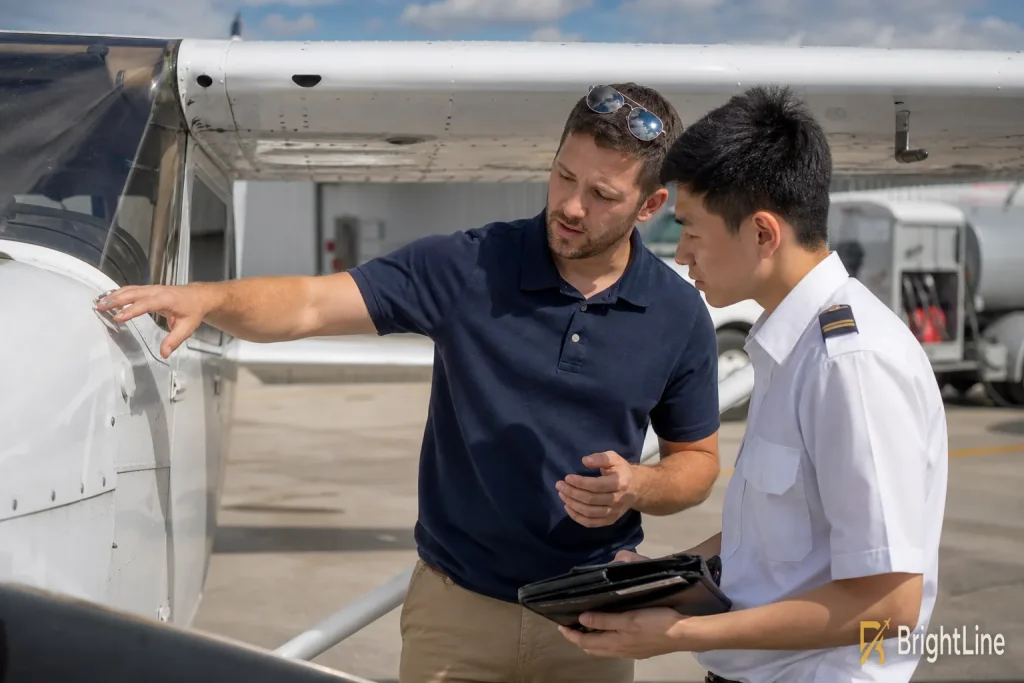
How much does private pilot license cost in USA for foreigners at the hourly level, and why does the same 40-hour certificate produce wildly different bills? Because the advertised rate is a marketing number, not a billing number. The comparison below shows what each line item actually runs, and where the gap between quote and invoice opens up.
| Line Item | Typical US Range | What Drives the Number |
|---|---|---|
| Aircraft rental (wet rate) | $130 to $220 per hour | Fuel, engine reserve, avionics, and whether the school owns or leases the airframe |
| Certified flight instructor | $50 to $90 per hour | Instructor experience, school overhead, and whether ground time is billed separately |
| Ground school | $300 to $800 total | Online course versus in-person classroom, and whether instructor ground hours are extra |
| Simulator time | $60 to $120 per hour | FAA caps how much simulator time counts toward the certificate, so cheap sim hours still cost you |
| Fuel surcharge | $10 to $30 per hour | Often excluded from the advertised rate until the invoice arrives |
The 40-hour figure is a regulatory floor, not a training plan. The FAA private pilot eligibility rules set that minimum, and real students finish closer to 60 or 75 hours. Every extra hour is billed at the full combined rate.
Training for a private pilot certificate may cost $6,000 to $20,000 or more, and that spread exists because hourly rates hide three things: fuel surcharges, block-time minimums, and instructor gaps. A school advertising $145 per hour can bill $178 once surcharges and minimums apply.
A low hourly rate with thin instructor availability is the most expensive combination in flight training. Wait two weeks between lessons and you relearn the last one. That relearning is billed at full rate, which is the flight school cost comparison trap that foreign students fall into most. The cheapest advertised rate usually produces the highest final bill. Compare total program cost, not the hourly sticker, before you commit a deposit.
Visa, TSA, and Medical Fees Foreigners Pay
The fees that blindside foreign students are the ones no domestic student ever pays. A school’s quote covers aircraft and instructor time. The government’s bill arrives separately, and it arrives first.
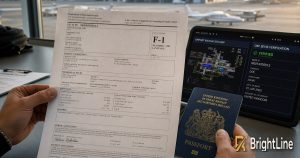
- M-1 or F-1 Visa and SEVIS Fee. The Form I-20 and SEVIS record must be issued by the school before the consulate will schedule an interview. The M-1 visa for flight school carries a shorter authorized stay than an F-1, so the training window is fixed at approval.
- TSA Flight Training Security Program. Fingerprinting and a background check clear you before a single lesson is logged. Approval takes weeks, and it expires if you delay enrollment too long.
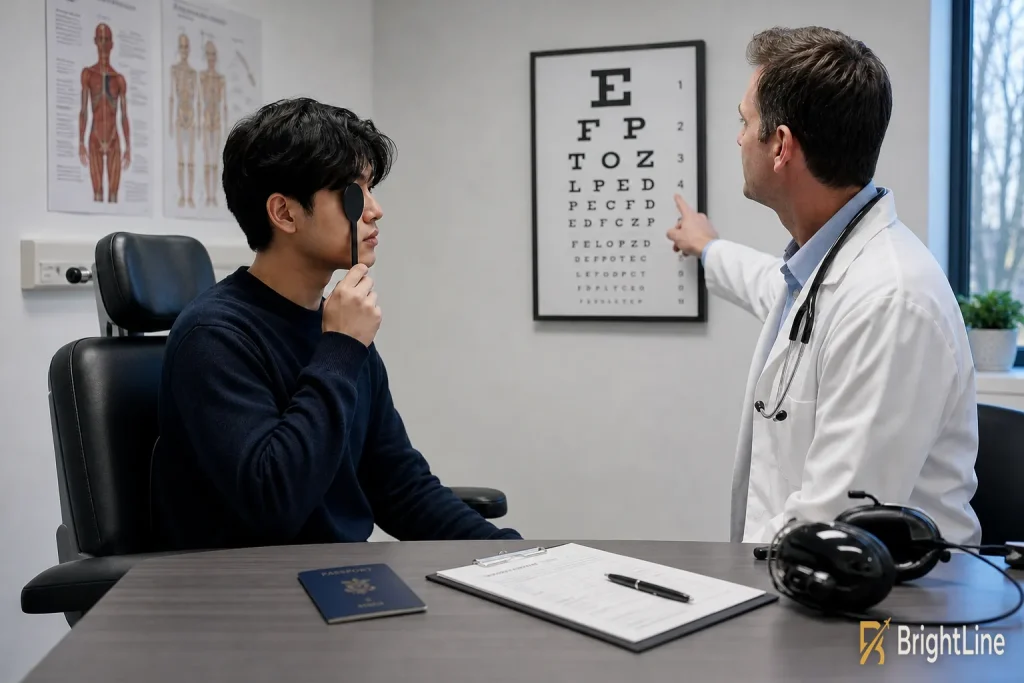
- FAA Medical Certificate Exam. An aviation medical examiner charges for the exam itself, and the certificate class depends on the flying you plan. A failed exam here ends the budget conversation entirely.
- Recurrent Training Fees. The total fee will be $70 for each Category 4 recurrent training request. Students who change schools or restart after a long gap trigger this charge again.
- Living Costs During Approval Gaps. Rent, food, and transport run while you wait for clearance. None of it produces a flight hour, and none of it appears on a tuition sheet.
Every item on that list clears before or alongside training. A flight school cannot finance any of it, because the payments go to the government and the examiner, not the school.
Sequencing is where money leaks. Students who pay a deposit before TSA approval sit on the ground for weeks, burning rent while their aircraft slot goes unused. BrightLine Digital builds international admissions pages around this exact sequence so applicants see the full order of payments before they commit. Ask any school for a dated payment calendar, not a price list. If the calendar starts with flight hours, the quote is incomplete.
The Real Total: A Foreign Student’s Full Bill
Three schools, three quotes, three very different final numbers. The comparison that matters for how much does private pilot license cost in USA for foreigners is not the hourly rate on the brochure. Living costs and training pace move the total more than any line on the rate card.
A budget Part 61 student at a small field school pays the least upfront and the most in calendar time. Aircraft rent runs cheap, and ground instruction is often informal. Thin instructor rosters mean lessons get pushed, and every idle week still burns rent and food.
A mid-range Part 141 student trades a higher hourly rate for structure. The syllabus is approved, stage checks keep progress honest, and the school usually has enough aircraft to keep a weekly rhythm. That rhythm stops a student from relearning the same maneuvers twice.
A student at a large academy with housing pays the most visible number and often the most predictable one. Dormitory, meal plan, and a fixed cohort schedule are bundled into a single invoice. The private pilot license cost averages about $15,000 to $20,000, and the academy model lands near the top of that band before living costs are added. What you buy is pace, and pace keeps a foreign student from paying for a room while waiting on an aircraft.
Visa, SEVIS, TSA clearance, and the FAA medical certificate exam hit every one of these students equally. Supplies, written exam, and checkride fees do too. The divergence lives entirely in housing, food, and how many weeks the training stretches.
Compare how much flight school costs across these three paths and the pattern holds. The school’s tuition quote is the smallest variable in the whole bill. A student who finishes in four months at a mid-range school beats a student who finishes in nine months at a cheaper one, every time.
Choose the small Part 61 school only if you live locally and can fly twice a week without fail. Choose the academy if you need housing and a schedule you cannot drift from. For most foreign students paying US rent, the mid-range Part 141 school with reliable aircraft wins on total cost, not on rate.
Why the Cheapest Quote Costs Foreigners More
The lowest hourly rate on a flight school’s website is the most expensive number a foreign student can chase. How much does private pilot license cost in USA for foreigners depends far more on how fast you finish than on what the school charges per hour.
A cheap school usually owns fewer aircraft and employs a thinner instructor roster. When two students need the same Cessna 172 on a Saturday, one waits. Those waits stretch a program that should take four months into seven, and every extra month adds rent, food, and transportation.
The dropout data backs this up. Approximately 80% of those who earn a student pilot certificate never earn a higher pilot certificate, and the overall flight training dropout rate sits at an all-time high. Students who fly twice a week retain skills. Students who fly twice a month relearn the same maneuvers and pay for them again.
Foreign students carry a cost layer domestic students never see. A TSA clearance delay or a visa appointment backlog can idle a student for weeks while an apartment lease keeps running. Idle time is the hidden line item that makes a cheap school expensive.
Schools built for international students price the whole path, not the hour. They staff enough instructors to keep a foreign student flying weekly, and they understand how accelerated pilot training programs compress calendar time and cut living costs. Completion rate is the only hourly rate that matters.
Ask a school for its average time to checkride for international students, not its posted rate. A school that cannot answer that question has never tracked the number that determines your final bill.
A counter-argument surfaces fast: pay less per hour, fly the same hours, and the total drops. That math holds only if the hours are equal. They rarely are.
Ask a school in Florida or Arizona how many of its foreign students finish within six months. A school that tracks that number can quote a real total. A school that cannot is selling you an hourly rate and hiding the rest.
Supplies, Exams, and Checkride Fees to Budget
The line items that wreck a foreign student’s budget are never the big ones. Aircraft time and instructor hours get quoted, negotiated, and planned for. The gear, the exams, and the examiner’s fee show up unannounced, and they arrive whether or not you budgeted for them.
Pilot school costs run from about $8,500 for a Sport Pilot Certificate to roughly $45,000 to $75,000 across private, instrument, and commercial training, and the supply and exam layer sits on top of every one of those figures. None of it is optional under FAA private pilot certification rules.
- Headset. An aviation-grade headset runs several hundred dollars and a cheap one fails mid-lesson.
- Logbook. Every flight hour must be recorded and signed by your instructor, with no substitute accepted.
- Charts and plotter. Current sectional charts and a plotter are required for cross-country planning and expire on a cycle.
- Ground school materials. Course kits or online programs carry separate fees from flight instruction.
- Written exam fee. The knowledge test is paid directly to the testing center, not the school.
- Checkride fee. The designated examiner charges separately, and a failed checkride means paying again.
- Medical certificate exam. The aviation medical examiner bills independently of your school’s tuition.
What the bullets hide is timing. These costs cluster at the front and the end of training, which is exactly when cash flow is tightest. A student who lands in the US with tuition covered but nothing set aside for gear and exams stalls at the worst moment.
Build a separate supply and exam fund before you book a start date, and ask the school for its written list of every third-party fee. That question belongs in the flight school process from the first email, not the week before your checkride. A school that cannot produce that list in writing is telling you something.
How Foreigners Cut the PPL Cost Without Cutting Safety
Trimming the private pilot license cost for foreigners is a scheduling problem before it is a pricing problem. A lower hourly rate saves nothing if you spend extra weeks on the ground paying rent. Four decisions control the total, and each one attacks a different leak.
Fly Twice a Week, Not Once
Skill decay is the most expensive line item in flight training. Fly once a week and your instructor spends the first thirty minutes re-teaching last week’s lesson. Two or three flights a week cuts that relearning tax entirely.
Pick a School With Spare Aircraft
Ask how many trainers a school owns before you ask about its rate. A school with two aircraft and forty students will cancel your lesson for maintenance, weather, and scheduling conflicts. Those cancellations become extra calendar weeks, and extra weeks become extra rent.
Finish Ground School Before You Land in the US
Ground school needs no airplane and no visa. Complete it at home, online, before departure. Every hour of US time then goes into the air, where the meter runs fastest. Students can earn a PPL for $8,000 to $15,000 at schools with lower hourly rates for aircraft rental and instructor fees, and that range only holds when ground time is front-loaded.
Verify International Admissions Support Before the Deposit
Confirm the school has handled TSA flight training security approvals for non-citizens before you wire anything. A school that has never processed a foreign student will lose weeks to paperwork errors you cannot fix from abroad. Ask for the cost for international students in writing, itemized, including visa, TSA, medical, and supplies.
Price the Whole Path Before You Pay a Deposit
Knowing how much a private pilot license costs in the USA for foreigners changes the question you ask a school. The hourly rate stops being the number that matters. The written total does.
Sign a deposit against a sticker rate and the gap lands on you later, in rent paid during a TSA wait, in a checkride fee nobody quoted, in a medical exam billed separately. Demand the full figure in writing before any money moves. A school that hesitates is telling you something. Request one document. Flight training, visa and SEVIS, TSA clearance, medical, supplies, exams, and living costs. Compare that total across schools. Then commit.
FAQ
Private Pilot License Cost Questions From Foreign Students
Can a foreigner become a pilot in the USA?
Yes, and the FAA issues private pilot certificates to non-citizens every month, provided the applicant clears TSA security screening and holds a valid student visa tied to an approved school. The step that catches people off guard is that TSA approval must be granted before any flight training begins. A short discovery flight is exempt, but logging training hours before approval breaks the rule.
Which country is the cheapest to become a pilot?
South Africa, the Philippines, and Thailand consistently rank among the lowest-cost training markets, with hourly rates that undercut US schools by a wide margin. The catch is that a foreign license rarely converts cleanly to FAA certification, so a pilot trained cheaply abroad often pays twice to re-qualify in the US.
Is becoming a pilot in 2026 worth it?
For a foreign student paying full international rates, the private license is worth it only if the certificate is a stepping stone toward commercial training and a career, not a hobby. Treating the PPL as a standalone achievement means absorbing the visa, TSA, and living costs without any path to earning them back.
How much should a foreign student budget beyond flight training?
Plan for a substantial second budget covering visa fees, SEVIS, TSA fingerprinting, the medical exam, supplies, and months of rent and food while training. The line most students underestimate is living costs during idle weeks, when weather or aircraft maintenance grounds the schedule but rent still comes due.