Hidden Costs of Flight Training in the USA: Why Your Budget Runs Out Early
TL;DR
- Quoted flight school prices assume ideal weather and zero cancellations, creating a wide gap between advertised floors and actual bills.
- The primary hidden costs of flight training in the USA stem from calendar friction, instructor turnover, maintenance squawks, and repeating lessons to maintain proficiency.
- Non-tuition expenses like renter’s insurance, third-party written exam fees, examiner travel, and worn gear add up quickly during a training program.
- International students face additional surcharges from TSA threat assessments, SEVIS fees, visas, and fixed living costs during weather delays.
- Build a financial buffer above the quoted total and track weekly flight burn rates to avoid running out of money before your checkride.
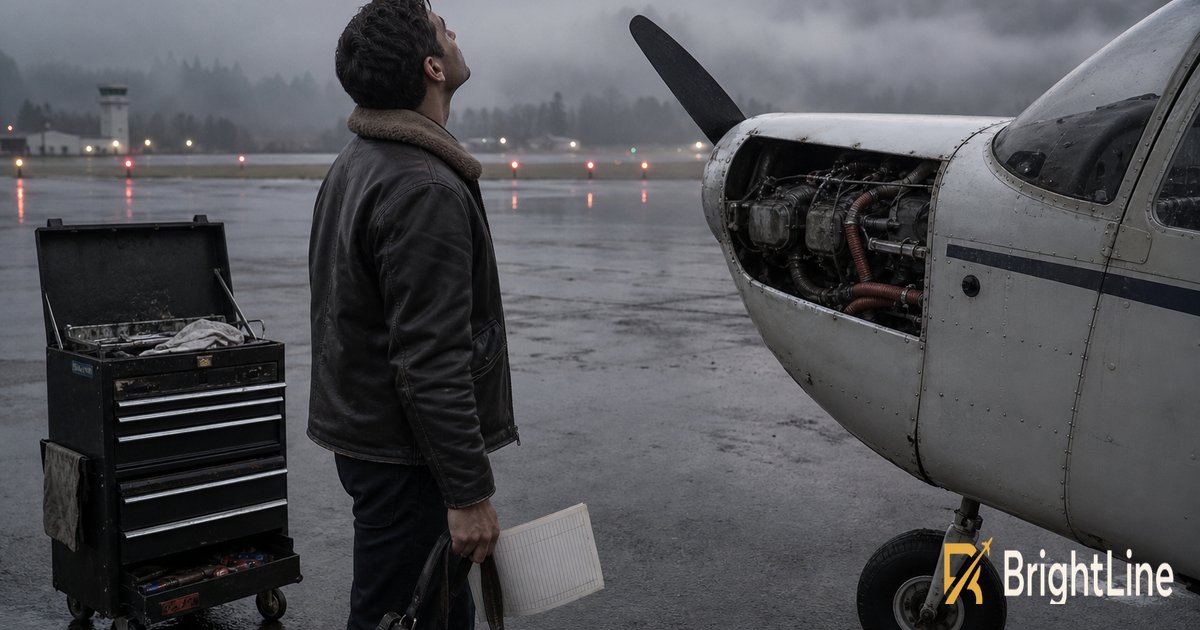
A flight school quote is a promise about the student you’ll be, not the one you are. Budget for the bill that arrives when weather grounds the fleet for a week, your instructor takes a regional job, and the aircraft goes into unscheduled maintenance the day before your checkride.
That gap is where the hidden costs of flight training in the USA actually live. Brochures list headsets and checkride fees, then quote a total that assumes every lesson happens on schedule. Training never runs on schedule.
This article breaks down where the money leaks between lessons, why international students carry a surcharge domestic students never see, and how to build a budget around the delays rather than the quote. You’ll finish knowing what to ask a school before you sign.
The Quote You Signed Is Not the Bill You Pay
The gap between a flight school quote and a bank statement is not a billing error. It is the cost of a plan that assumed you would never miss a lesson.
Quotes are built on an idealized student. That student flies twice a week, passes every stage check on the first try, and never watches a trainer go into maintenance the morning of a scheduled lesson. The FAA’s minimum hour requirements for certification describe a floor, not a forecast. Schools price to that floor because it produces the number a prospective student wants to hear.
Run a flight school cost comparison between two brochures and you’ll notice the totals cluster tightly. That’s not because training costs are predictable. It’s because every school is quoting the same fiction.
Weather is the first variable nobody prices. A week of low ceilings pushes your next lesson back, and the lesson after that, until a skill you had solid starts to fade. Relearning a maneuver you already paid to learn is the purest form of wasted flight time.
Instructor turnover compounds it. A CFI building hours toward an airline job leaves, and the next instructor wants to verify your progress personally. Those verification flights appear on your invoice as instruction, not overhead. The quote is a schedule, and every schedule slips. Deviations don’t just add hours. They stretch the calendar, and the calendar is what drains the account.
Where the Money Leaks Between Lessons
Two students log the same total hours and walk away with bank statements that look like different degrees. The comparison that matters isn’t hourly rate or aircraft type. It’s calendar density, and it explains more of the hidden costs of flight training in the USA than any fee schedule ever will.
The consistent student flies the same week every week, books the same instructor, and books the same tail number. Weather cancellations happen, but they get rescheduled inside the same week. Their proficiency holds, so each lesson builds on the last instead of relearning it.
The stop-start student loses a month to a maintenance squawk on the training aircraft, then loses another to an instructor who took a regional airline job. They come back to the cockpit rusty. The first lesson after a gap is often a repeat, and repeats cost full price.
Training delays don’t add a line item to the bill. They multiply the items already on it. Every extra week of calendar time carries rent, fuel to the airport, and another instructor hour. The AOPA fatal training accident analysis shows how proficiency erodes when practice lapses, and the same erosion shows up in your wallet.
Consistency wins whenever a student can control their schedule, because it converts a fixed quote into a predictable bill. The stop-start path only makes sense when life forces the gap. If you’re comparing programs on how much flight school costs, ask about instructor retention and aircraft dispatch rates before hourly rates.
The Gear and Fees Nobody Puts in the Brochure
The headset, the kneeboard, the medical exam, the checkride fee: those are the easy part. You can price them before you step into a briefing room. The hidden costs of flight training in the USA live in the second tier, the charges nobody prints on a brochure.
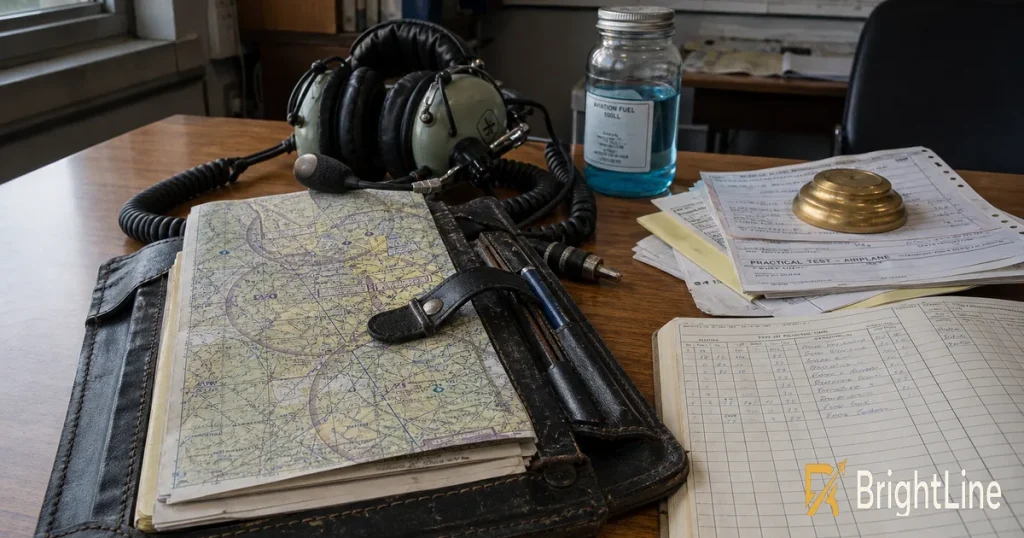
- Renter’s insurance. The school’s policy covers the airframe, not your deductible when you bend a wheel pant on a hard landing. Ask what the school’s hull coverage leaves you exposed to before your first solo.
- Written exam fees. The knowledge test is administered by a third-party testing center, not the school, so that charge arrives on a separate invoice. Budget for each written you’ll sit, including retakes.
- Examiner travel costs. A designated examiner who has to drive in from another city bills for the trip, and the school passes it through. This appears only when you schedule the checkride.
- Replacement of worn equipment. Headsets fail, logbooks fill, charts expire, and flight bags wear out over a training arc that stretches across seasons. None of it is dramatic, and all of it is recurring.
- Currency and proficiency flights. A gap in your schedule forces review flights before you can solo or test, and those hours count toward nothing but your own confidence. The FAA’s pilot training and certification resources lay out the hour requirements, and review flights sit outside them.
Read the list as a whole and the pattern shows itself: every item is small, and every item lands at a moment you can’t defer. None of these charges is large enough to plan around individually, which is exactly why they slip through. Add them to your budget as a single contingency line before your first lesson.
Why Your Budget Runs Out Before Your Checkride
The checkride is where the money runs out, and it’s almost never the flying that drains the account. It’s the assumption that spending arrives on a schedule. A quoted total implies a straight line from first lesson to certificate, and flight training never moves in a straight line.
Linear budgeting feels safe because the school handed you a number with confidence. That number describes a student who flies every scheduled lesson and passes every stage check on the first attempt. The reasoning breaks the first time a lesson cancels and the slot reopens three weeks out.
Before: A student divides the quoted total by the months in the program and treats that as the monthly burn. Then a maintenance squawk grounds the trainer, a stage check gets rescheduled, and the same lesson gets paid for twice. The account empties in the final phase, right when checkride prep and examiner scheduling demand the most cash.
After: A student budgets the quoted total plus a buffer sized to the program’s realistic length, not its advertised one. Every week, actual spend gets logged against hours flown, so drift shows up while there’s still room to react. When a cancellation hits, the buffer absorbs the repeat lesson instead of the checkride fund.
This is the mechanism behind the hidden costs of flight training in the USA. They’re the price of calendar time, and only a weekly burn rate makes that visible before it’s too late.
Anyone researching how to choose a flight school should ask one question before signing: what happens to my bill when a lesson cancels? The answer tells you whether the quote is a plan or a guess.
The International Student Surcharge
International students don’t pay more for flight hours. They pay for the right to sit in the aircraft at all, and that bill arrives before the first lesson.
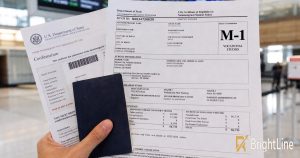
The visa interview fee, the SEVIS I-901 payment, and the TSA security threat assessment for flight training candidates are all mandatory, all non-refundable, and all due before a training aircraft ever moves. An international student budgets for government processing on top of tuition deposits, and none of it counts toward a single flight hour.
The residence problem compounds it. A student holding an M-1 or F-1 visa can’t simply fly home when weather grounds the fleet for two weeks. Rent, food, and transportation keep running through every delay, which is why the hidden costs of flight training in the USA hit international students harder than any other group.
Medical certification adds another layer. Aviation medical examiners abroad are scarce, and many international applicants must complete the exam after arrival, which means a failed certification can strand a student in the US with a lease and no training path.
Ask your school for a realistic total that includes visa, SEVIS, TSA, and living costs, not just the hourly rate, so you arrive with a budget that survives the program.
Compare that against the private pilot license cost for foreigners quoted on most school websites, and the gap becomes obvious. The quote covers the aircraft. It never covers the paperwork that lets a student board it.
How Flight Schools Can Price With Honesty
A school that wins a student on a low sticker price and loses them at the solo cross-country has bought a refund request, a bad review, and a slot it cannot refill mid-cohort. Honest pricing is the cheaper strategy, and the schools that commit to it are the ones with waitlists.
The Quote That Survives Contact With a Bank Statement
Publish a realistic total cost range, not a floor. A quote that assumes perfect weather and zero maintenance reads as a bait-and-switch the moment the first aircraft goes down for an annual inspection. Schools that show the range up front keep the students who can actually finish.
Dispatch Reliability Is a Pricing Decision
Every grounded aircraft and every instructor who leaves for a regional carrier becomes a cost the student absorbs. A school that staffs and maintains for continuity is selling something its cheaper competitor cannot: a schedule that holds. That reliability belongs in the marketing, not buried in the operations manual.
Write the Costs Where Students Are Already Looking
Prospective students search for total cost before they ever call a school. A program page that answers the real question, including insurance, examiner fees, and checkride retakes, earns trust before the first conversation.
BrightLine Digital builds that kind of flight school marketing around the questions families actually ask, so the schools that price honestly get found by students ready to commit.
Screen for Financial Readiness, Not Just Enthusiasm
A discovery call that asks how a student plans to fund the second half of training saves a painful conversation later. Schools that qualify on budget finish more students and generate the word-of-mouth that fills next year’s roster.
The Real Cost of Quitting Halfway
Student pilots rarely quit because they cannot fly. They quit because the account empties before the certificate arrives. The most expensive outcome in aviation training is not a failed checkride. It is a logbook full of hours and no license to show for them.
Skill gaps get blamed constantly. A student struggles with crosswind landings, stalls a maneuver review, and assumes the problem is talent. Then the invoice for the next block of hours arrives and the real issue surfaces. The hidden costs of flight training in the USA were never budgeted, so the money runs dry mid-program.
That exit point is brutal. A private certificate requires a specific set of completed requirements, and stopping short leaves every dollar spent stranded. The student carries debt, holds no certificate, and cannot fly solo, rent an aircraft, or earn anything back.
Flight schools see this pattern repeatedly. A student who planned for the quoted total and nothing else hits an unexpected engine reserve, a rescheduled checkride, or a medical delay.
Honest expectation-setting changes the math. Ask your school for a realistic total cost and the variables behind it before you enroll, since that is what keeps students funded through the expensive middle stretch. Accelerated pilot training programs compress the calendar, which cuts exposure to delays and repeat lessons. A student who quits at the commercial stage has spent the most and gained the least.
Build Your Budget Around the Unknown
The hidden costs of flight training in the USA are not a surprise waiting at the end of the invoice. They are the predictable result of a plan that priced a perfect student and never priced the delays. Budget for the delay and the delay stops being a crisis.
Students who build a cash buffer and track their actual burn rate every week catch the shortfall while they still have options. They slow down, add a lesson, or defer a checkride instead of scrambling for a loan at the worst moment. The student who never tracks it discovers the gap at the solo cross-country, when the account is already thin.
Open a spreadsheet tonight and log what you spent last month against what you flew. Compare that to the quote. Adjust the plan before the next lesson, not after the next surprise.
FAQ
Hidden Costs of Flight Training in the USA: Your Questions Answered
How much does flight training cost in the USA?
A private pilot certificate typically lands somewhere between $10,000 and $20,000, and a full commercial path runs well past $80,000. The hidden costs of flight training in the USA sit outside those ranges, because quotes assume steady progress and clean weather.
Why do 80% of student pilots quit?
Money runs out before the certificate arrives, and the shortfall almost always traces back to costs nobody budgeted for. A student who stalls at the solo cross-country stage has already paid for the aircraft, the instructor, and the ground school without earning a single rating.
Is becoming a pilot in 2026 worth it?
The certificate still pays off for people who finish, which is why the finish rate matters more than the entry price. Students who map the full cost including delays and fees before the first lesson are the ones who reach the checkride with an account still intact.
What costs do flight schools leave out of their quotes?
Quotes usually exclude examiner travel, written exam fees, renter’s insurance, and the repeat lessons that follow a maintenance grounding. A school that lists these upfront signals a realistic total, while a bare sticker price signals a bill that grows after enrollment.
What are the main hidden costs of flight training in the USA for international students?
International students face mandatory non-flight expenses including TSA background security checks, SEVIS I-901 registration, visa application processing, and ongoing living expenses during unexpected weather or maintenance groundings.