FAA Medical Exam for International Students: What Disqualifies You
TL;DR
- The FAA medical exam for international students is a records audit against 14 CFR Part 67, not a fitness test you clear after you pay a deposit.
- Epilepsy, substance dependence, serious cardiac conditions, active psychosis, and uncorrectable vision are named disqualifiers; many other diagnoses route into special issuance instead of a hard no.
- Home-country records, old prescriptions, and childhood diagnoses follow you. Disclosure starts a review. Concealment can end a certificate.
- Request full medical and prescription history, get certified English translations, and consult an AME before you wire tuition or book a visa interview.
- Build special issuance wait time into your start date. The FAA clock runs in months, and a late deferral can cost a full semester.
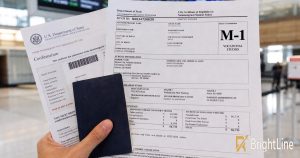
A student wires a flight school deposit, books a visa interview, and then learns at the medical exam that a childhood epilepsy diagnosis blocks certification. The FAA medical exam for international students is not a formality you clear after admission. It is a regulatory gate, and the disqualifying conditions are the part nobody explains before the money leaves your account.
Guides tell you how to pass the physical. They skip the harder question. Your home country diagnosis, a prescription you stopped years ago, a hospital record you thought stayed private, all of it follows you into the FAA review.
This article covers which conditions block certification, how the FAA evaluates your history, and how to find out where you stand before you leave home. The FAA medical exam for international students rewards preparation, not fitness. Read the disqualifiers first, then commit.
What the FAA Medical Exam Actually Certifies
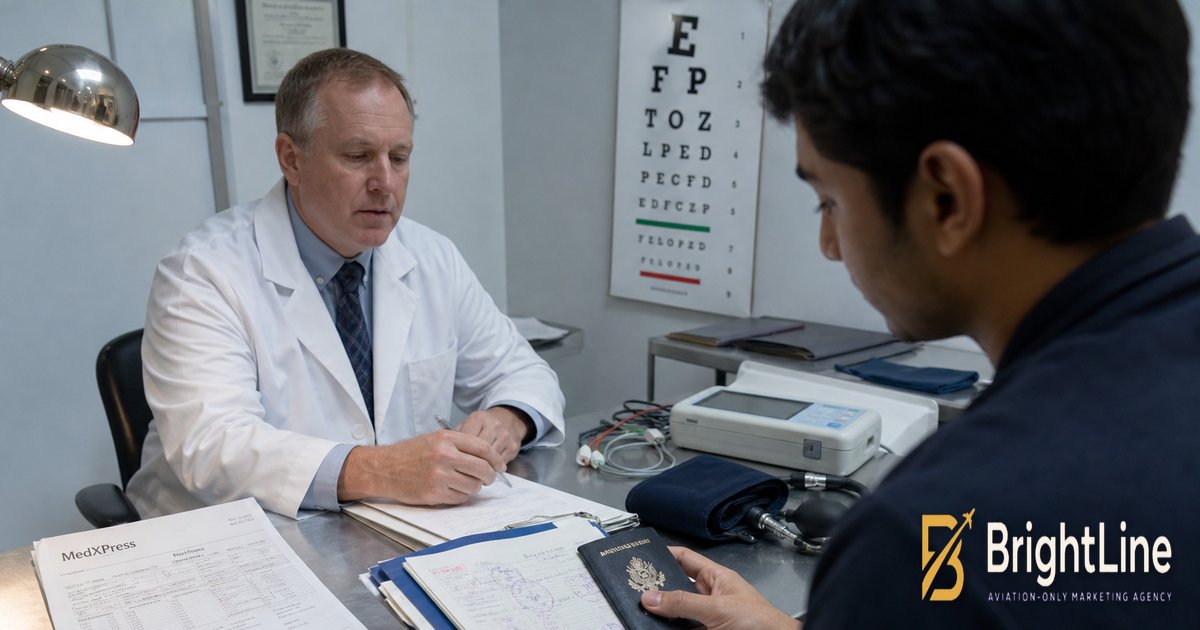
An FAA medical certificate is an airman medical clearance issued by an Aviation Medical Examiner under 14 CFR Part 67. It is not a general health check, and it is not a doctor’s opinion that you seem fit. The FAA medical exam for international students measures you against the same regulatory standard applied to a US applicant from Ohio.
That distinction gets lost because the exam feels like a physical experience. An AME checks your vision, blood pressure, and heart, then asks about your history. The paperwork is the real test. A person who meets the medical standards prescribed in this part of the federal regulations, based on examination and evaluation of history and condition, is entitled to a certificate. Nothing else earns it.
Three certificate classes exist, and the class determines what flying you’re cleared for. A first-class certificate covers airline transport privileges, a second covers commercial operations, and a third covers private pilot and student pilot privileges. If you’re training toward a professional cockpit seat, you’ll eventually need the FAA Class 1 medical, but your solo flight as a student runs on a third-class certificate.
The gate opens on documented history, not on how you feel the morning of the exam. An applicant who runs marathons and sleeps well can still be deferred over a diagnosis from a decade ago. An applicant with a managed condition and complete records can clear the same gate.
Disqualification is a short, specific list of conditions and a review process, not a verdict on your health. Knowing which list you might sit on is the whole game.
The Conditions That Disqualify You Outright
The FAA never hands you a clean list of banned diagnoses. It buries the disqualifying conditions inside federal medical certification standards that name specific conditions making an applicant ineligible unless the agency grants an exception. That structure matters for the FAA medical exam for international students, because eligibility turns on matching your history to named categories.
- Severe mental health conditions. Active psychosis, bipolar disorder, and severe personality disorders fall under review. A past diagnosis with stable treatment is a different case than an active one.
- Epilepsy and unexplained loss of consciousness. Any seizure after childhood, or a fainting episode with no clear cause, triggers scrutiny. The FAA wants a documented cause before it clears you.
- Substance dependence. A clinical diagnosis of alcohol or drug dependence is disqualifying on its own. The FAA distinguishes dependence from isolated use, and the record decides which applies.
- Certain cardiac conditions. Heart attacks, pacemakers, and some arrhythmias require review. A controlled condition with cardiology records often clears through special issuance.
- Vision that cannot be corrected. The standard is corrected vision, not raw eyesight. If glasses or lenses bring you to standard, you pass this item.
Read the list again and notice what it is not. None of these items measure your character or your worth as a pilot. Each one exists because the condition creates a documented risk in the cockpit, and the FAA regulates risk rather than people. A diagnosis on this list does not end your training. It changes the path from a routine exam to a special issuance review, which runs on a different clock.
Why Your Home Country Diagnosis Follows You
The FAA does not care where a diagnosis was written down. A record from a clinic in Manila or São Paulo carries the same weight as one from a hospital in Dallas.
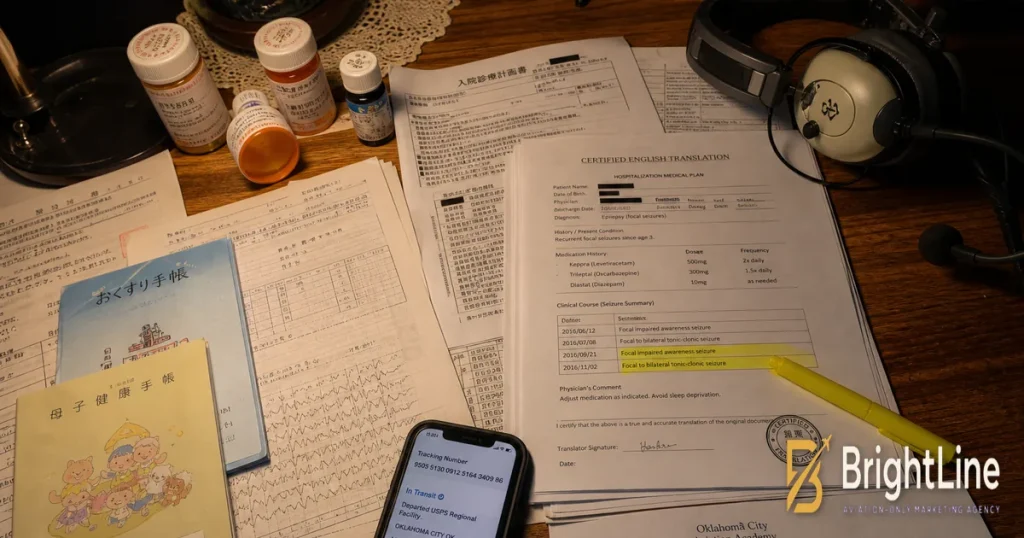
Applicants assume a condition treated and resolved back home stays private. The FAA medical application asks about your history, not your current state. A childhood asthma diagnosis or a past prescription for a mood disorder is a disclosure question, not a memory.
The mechanism is a records review, not a physical. An Aviation Medical Examiner walks through your history, flags anything that needs documentation, and can defer the file to the FAA. During the AME examination, the paper trail decides more than the exam room does.
Foreign records surface in two ways. You disclose them, or the FAA requests them from the provider. That request process runs parallel to FAA foreign pilot certificate verification, and neither one moves quickly. A file that stalls on missing records stalls your training start date with it.
Hiding a condition is the worst option. The FAA can deny or revoke a certificate for falsification, and a revocation follows you longer than a deferral ever would. Disclosure starts a review; concealment ends a career. Start with the records, not the flight school deposit. Request your complete medical history from every provider, including pediatric files, before you fill out the application.
Get those documents translated into English by a certified translator and keep the originals. An AME who can read your file in one sitting moves faster than one waiting on a clinic overseas.
The Medication Rule That Catches International Students
Two students walk into the same AME office with clean physicals and completely different risk. One takes a prescription her home country hands out freely. The other stopped her medication years ago but still carries the diagnosis. The FAA evaluates the condition behind the prescription, not the pill bottle.
Start with the student still on medication. Adderall for ADHD, a benzodiazepine for anxiety, or a sleep aid like zolpidem are routine prescriptions in many countries. Under FAA review, each one triggers scrutiny of the underlying condition and the drug itself.
That student feels fine. She functions, studies, flies simulators. Feeling fine is not the standard the FAA applies, and the AME will likely defer her file rather than clear her on the spot.
Now the second student. She took an antidepressant as a teenager, stopped at eighteen, and has not thought about it since. The diagnosis still sits in her record, and the application asks about history, not current symptoms. Her clean physical changes nothing. A disclosed past diagnosis moves her into the same review track as the student still taking the drug.
Bring your full prescription history and translated foreign records to the exam. Expect a request for more information, and build that expectation into your flight school admission requirements timeline before you commit.
How Special Issuance Changes the Timeline
A disqualifying condition rarely ends an aviation career. It reroutes the applicant into special issuance, a records review where the FAA decides whether to grant a certificate with conditions attached. The FAA medical exam for international students becomes a paper trail, not a single appointment.

Step 1. Disclose the condition on your MedXPress application, in plain language, with dates. Leaving it blank is the one move that converts a manageable review into a fraud finding.
Step 2. Request records from every provider who treated you in your home country, then have them translated by a certified translator. The FAA reads English only, and an untranslated file stalls the review before it starts.
Step 3. Attend the AME exam expecting a deferral rather than a decision. The examiner documents and forwards; the FAA decides. Walk out with a copy of everything submitted.
Step 4. Send your package to the Aerospace Medical Certification Division in Oklahoma City, and keep the tracking number. Records arrive at the FAA review queue and wait their turn, not yours.
Step 5. Comply with whatever conditions the certificate carries, whether that means annual reports or a treating physician’s letter. Miss one and the authorization lapses.
Step 6. Build the wait into your plan to become a pilot in USA. The FAA sets the clock, and it runs in months, not weeks.
Clear special issuance and you hold a valid certificate with your training start date intact. Start the process before your deposit clears, or a late decision can cost you a semester.
What International Students Get Wrong About the Exam
Applicants treat the FAA medical exam for international students as a fitness test. It is closer to an audit of your medical past, and your resting heart rate has nothing to do with the outcome.
The AME spends the appointment asking about history, not measuring endurance. A clean physical does not override a diagnosis already sitting in your file. The exam rewards preparation and disclosure, not fitness.
Students from abroad assume their home-country records stay private. They do not. The FAA can request records from foreign providers, and the burden of producing them falls on you.
A student who ran cross-country for years can still be deferred over a teenage prescription for anxiety. Another who feels completely healthy can be flagged for a childhood asthma diagnosis nobody mentioned. The AME is hunting conditions you never considered relevant.
Confusion about BasicMed eligibility rules adds another layer, since some applicants assume lighter standards apply when they do not, and BasicMed does not cover a student working toward a first certificate in any case. Flight schools that work with BrightLine Digital on their international admissions sequence the medical step before the deposit for exactly this reason.
Walk in with your records translated and your prescription history written down. Walk out knowing the AME may defer rather than decide. The students who lose a semester are rarely the sickest ones. They are the ones who assumed good health was the whole question.
How to Screen Yourself Before You Pay a Deposit
Finding a disqualifying condition before you commit money is the cheapest outcome. A deposit is gone the moment a deferral stalls your start date, while screening costs a few weeks of paperwork.
Step 1. Request your complete medical records from every clinic, hospital, and physician in your home country. A gap in your file turns a routine exam into a records investigation, and the FAA will ask for the missing piece eventually.
Step 2. Write down every prescription you have taken, including ones you stopped. The FAA reviews the condition behind the medication, not just your current state.
Step 3. Cross-check your history against the Part 67 medical standards. Knowing your diagnosis category tells you whether you face a routine exam or a special issuance review.
Step 4. Book a consultation with an Aviation Medical Examiner before the formal exam. A consultation is a conversation, not a certification decision, and it surfaces problems while you can still plan around them.
Step 5. Ask the flight school how it handles a deferred medical and whether it will hold a seat. The answer shapes your timeline, your budget, and the real cost of commercial pilot license training if your start slips.
Finishing this screening gives you a realistic date for your medical clearance and a defensible plan for your deposit. That timeline is worth more than any deposit refund policy is. Flight schools that package international admissions well, including the sequencing work BrightLine Digital builds into those packages, push students through this step before contracts get signed.
Find Out Before You Commit
The FAA medical exam for international students is a records review against published conditions. Nothing about it is a mystery, and nothing about it is a surprise you discover at the AME’s office.
Every item on the disqualification list sits in a public regulation you can read tonight. The only variable is your own history, and that history lives in clinics and pharmacies you can contact this week.
Waiting converts a manageable review into a missed start date. A student who knows about a mood disorder prescription before signing a flight school contract can plan around a deferral. A student who learns about it at the exam pays for a seat they cannot use.
Pull your records from every provider who has treated you. Book a consultation with an Aviation Medical Examiner and describe your full history honestly. Do both before the deposit leaves your account.
FAQ
FAA Medical Exam Questions International Students Ask
What disqualifies you from a FAA medical exam?
An FAA medical exam for international students results in disqualification when the applicant carries a condition named in Part 67, such as epilepsy, substance dependence, or a serious cardiac diagnosis. The AME rarely makes that call at the desk, because a flagged condition gets deferred to the FAA in Oklahoma City for review.
How much does an FAA class 1 medical cost?
The exam fee is set by the individual Aviation Medical Examiner, not by the FAA, so the price varies by clinic and by city. A first-class certificate also requires an electrocardiogram, which usually appears as a separate charge on top of the base exam fee.
Is it hard to get a FAA medical certificate?
Clearing the certificate is routine for an applicant with a quiet medical history and becomes difficult only when an old diagnosis triggers a records request. The hard part is rarely the physical itself, since the paperwork review is what stalls an application for weeks.
What are the 15 medical conditions that disqualify someone from flying under the FAA?
No official FAA document lists fifteen conditions, and the real disqualifying criteria sit inside 14 CFR Part 67 as categories rather than a tidy count. Those categories cover mental health, neurological, cardiovascular, and substance-related conditions, and each one carries its own review path.